


Dental implants have revolutionized tooth replacement, offering a permanent and natural-looking solution for missing teeth. But the success of these implants hinges on a crucial player – your gums. Unlike natural teeth with self-healing gums, the implant-gum relationship is a delicate dance. So, the question arises: Do gums grow back after implants? The answer isn’t a simple yes or no. In this informative blog, let’s delve deeper into the world of gum tissue and implant healing to understand this intricate process.
Understanding Gum Tissue
Gums, also known as gingiva, are the unsung heroes of your mouth. These vital soft tissues play a multifaceted role in maintaining a healthy smile. Let’s delve deeper and explore the fascinating world of gum tissue:
The Guardians of Your Smile
- Protective Barrier: Gums act as a fortified wall, shielding teeth and jawbone from the relentless assault of bacteria. This barrier is particularly important because teeth’s roots, exposed beneath the gum line, are more susceptible to decay.
- Anchors for Stability: Imagine your teeth as strong pillars. Gums function like the concrete foundation, firmly anchoring these pillars to the jawbone. This secure attachment allows you to bite and chew with confidence.
- Warning System for Trouble: Healthy gums are typically pink and firm, with a slight pebbled texture. However, changes in gum color, texture, or bleeding can be early signs of gum disease. By recognizing these warning signs, you can seek treatment and prevent further complications.
The Two Faces of Gum Tissue
Gums are comprised of two distinct tissue types, each contributing unique strengths:
- Keratinized Tissue: This forms the tough outer layer of your gums. Think of it as a shield – it’s resistant to friction and irritation from everyday activities like brushing and chewing. Keratinized tissue also plays a crucial role in preventing harmful bacteria from entering the sensitive areas around your teeth.
- Mucous Membrane: This softer tissue lines the inner surface of your gums, providing essential lubrication. This lubrication allows for comfortable movement of your lips, cheeks, and tongue during speaking and eating.
The Implant and Gum Tango: A Look at Healing
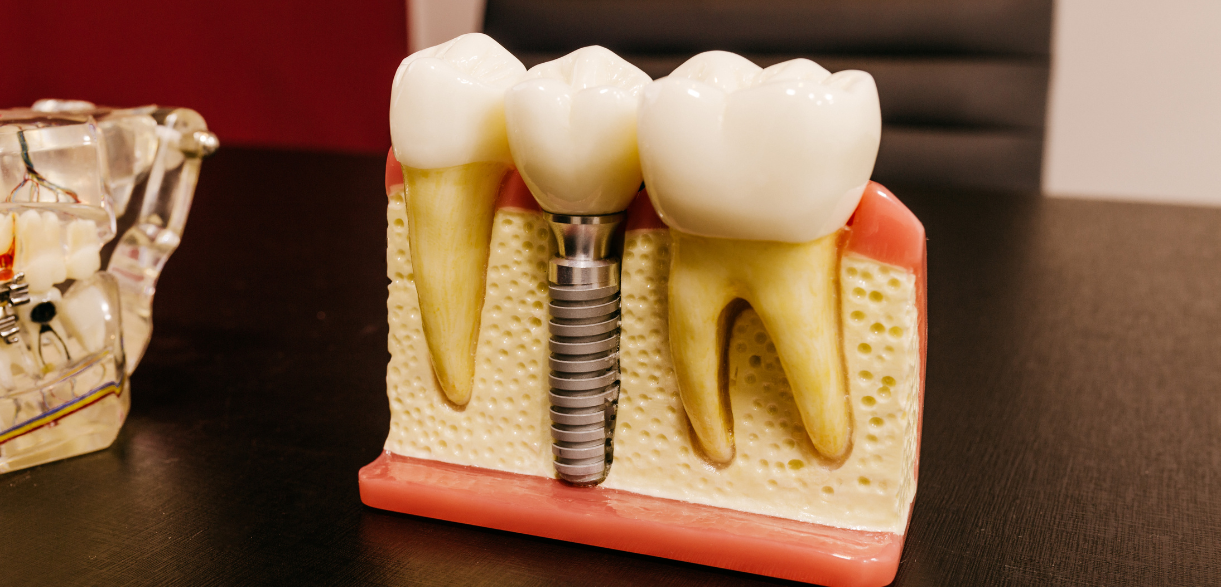
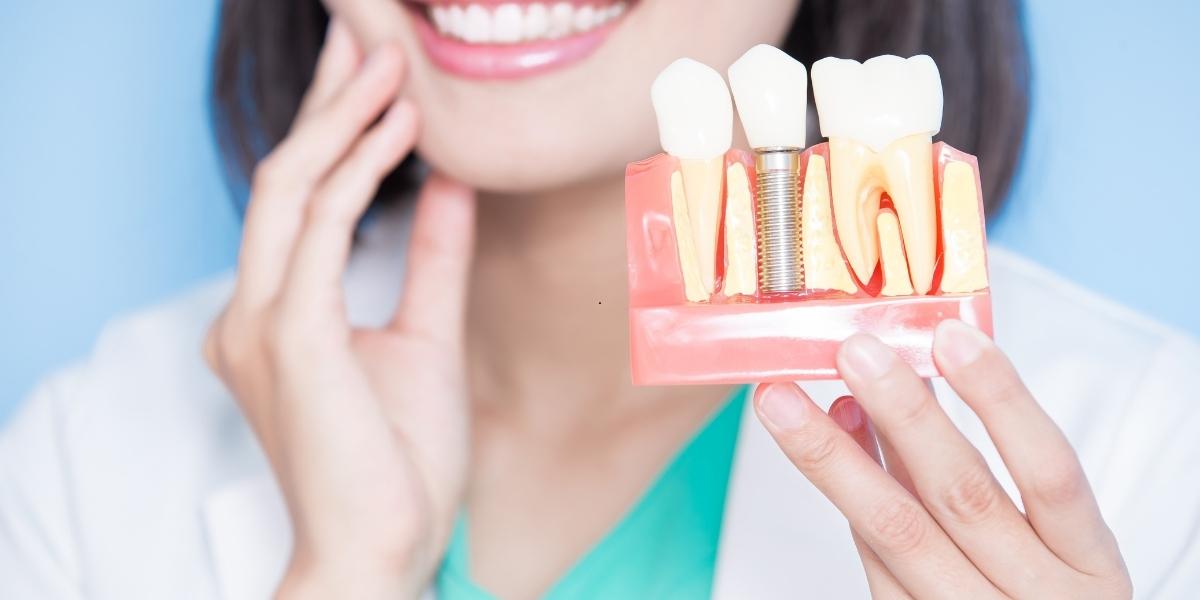
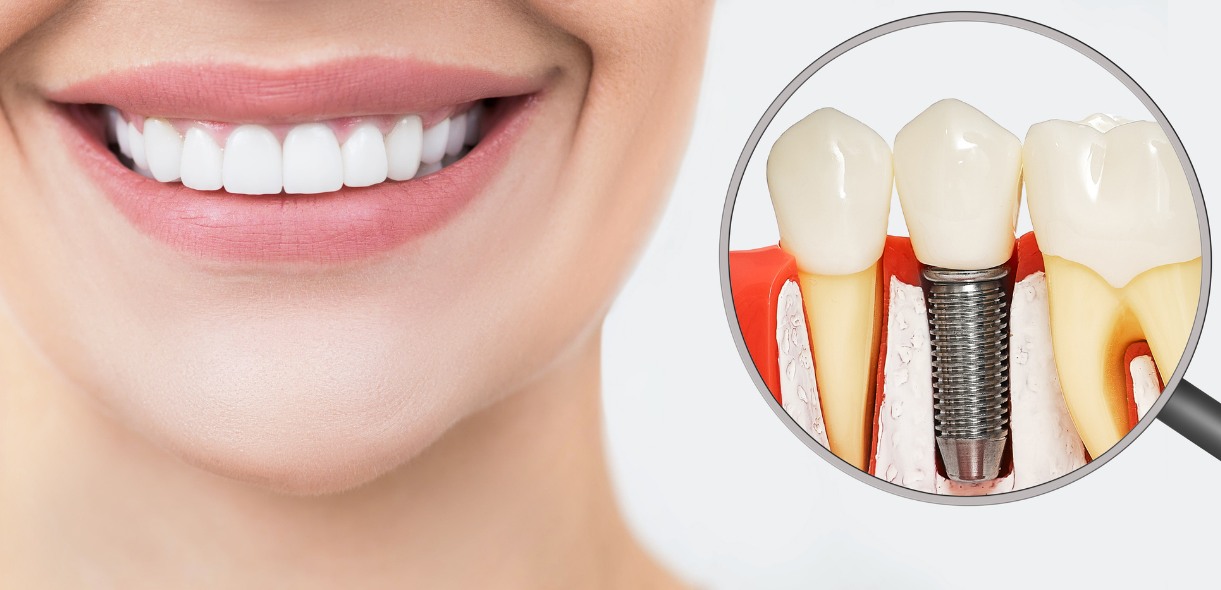
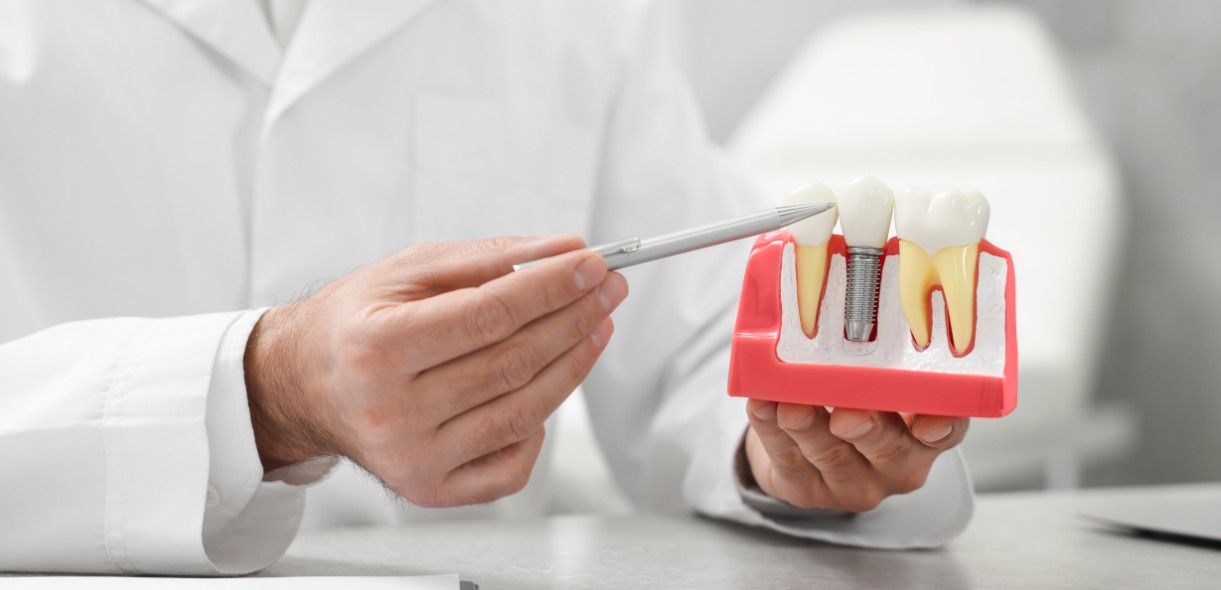
Dental implants are a remarkable innovation in dentistry, designed to function and feel very much like natural teeth. Made of biocompatible titanium, these implants are surgically placed within the jawbone to provide a strong foundation for artificial teeth. Understanding the healing process that follows implant placement is essential for a successful outcome. Let’s delve deeper:
Osseointegration
One of the key processes during healing is osseointegration. This term refers to the remarkable phenomenon where the jawbone actually fuses with the surface of the implant. Over a period of several months, bone cells gradually grow around and attach to the implant surface, creating a strong and stable foundation. Also, the osseointegration process is crucial for the long-term success of dental implants. It helps them ensure they can withstand the forces of biting and chewing, just like natural teeth.
Gum Tissue Integration
While osseointegration takes place within the jawbone, another important process occurs at the gum level. The gum tissue surrounding the implant site heals and integrates with the implant, forming a tight seal. This integrated gum tissue provides essential support for the implant and prevents bacteria from entering the underlying bone. This process closely mimics the way healthy gum tissue surrounds and protects natural teeth.
Gum Tissue Repair vs. Regeneration
It is important to clarify that while gum tissue does integrate with the implant during healing, it may not necessarily “grow back” in the same way it might after minor injuries in a healthy mouth. If a patient has experienced significant gum recession before implant placement, the gum tissue won’t magically regenerate to its original state. In such cases, additional procedures like soft tissue grafts may be necessary to achieve optimal aesthetics and function around the implant.
Gum Recession and Implants
Gum recession, where the gum tissue shrinks and pulls away from the teeth, can be a concern for those considering dental implants. While it doesn’t always disqualify you from getting implants, it can introduce some complications:
Exposed Implant Material: When gum tissue recedes, the metal post of the implant becomes visible. This can create a dark or grayish appearance at the gumline, detracting from the natural look of your smile. Especially for implants in the front teeth, this can be a major cosmetic concern.
Increased Risk of Infection: Gum tissue acts as a barrier, protecting the underlying bone from harmful bacteria in your mouth. When the gum recedes around an implant, the exposed surface becomes a breeding ground for bacteria. This can lead to peri-implantitis, an infection that affects the tissues around the implant. Left untreated, peri-implantitis can damage the jawbone and even lead to implant failure.
Improper Implant Placement: Millimeters Matter! Precise implant placement is crucial. If the implant is positioned too high in the jawbone, it can leave a larger portion of the implant surface exposed. This exposed area is more prone to gum recession over time.
Bruxism (Teeth Grinding): Also known as teeth grinding or clenching, bruxism can put excessive force on the implant and surrounding bone. Over time, this stress can contribute to gum recession around the implant. If you suspect you grind your teeth, a dentist can recommend a night guard to protect your teeth and implants from the damaging effects of bruxism.
Maintaining Healthy Gums with Dental Implants
Here’s how to keep your gums happy and healthy around your implants:
Meticulous Oral Hygiene
Brushing twice a day for two minutes each time is crucial, but with implants, it’s all about technique. Use a soft-bristled brush specifically designed for implants. These brushes often have gentler, tapered bristles that effectively clean around the implant post and under the crown without irritating the gums. Focus on the gum line around the implant, using gentle circular motions to remove plaque and the buildup of bacteria. Flossing daily is equally important. Consider using a special implant flosser or interdental brush that can easily reach the tight spaces around the implant.
Regular Dental Checkups and Cleanings
Schedule professional cleanings with your dentist at least twice a year or more often if recommended. These cleanings go beyond what you can achieve at home. Your dentist will use specialized tools to remove stubborn plaque and tartar buildup, especially around the implant post, where it can be difficult to reach. They will also thoroughly examine your gums for any signs of inflammation or infection, ensuring early detection of any potential problems.
Early Intervention for Gum Disease
Gum disease, also known as peri-implantitis, is a major threat to the success of dental implants. Be mindful of any warning signs, such as:
- Redness, swelling, or tenderness of the gums around the implant
- Bleeding gums, even with gentle brushing
- Receding gums, exposing more of the implant post
- Persistent bad breath
If you experience any of these symptoms, don’t hesitate to seek immediate dental care from dentist in Media, PA. Early intervention with antibiotics and deep cleaning can help prevent further gum recession and potential implant failure.
While gums don’t necessarily “grow back” in the traditional sense after implant placement, they play a vital role in the long-term success and health of your implants. By maintaining excellent oral hygiene and addressing any gum issues promptly, you can ensure a healthy and confident smile for years to come. Remember, a strong foundation—both the jawbone and healthy gum tissue—is crucial for thriving implant success.