


In the realm of dental care, there’s a procedure that often evokes fear and uncertainty: the root canal. However, understanding when a root canal is necessary can demystify this treatment and alleviate apprehensions. Root canals are essential for salvaging damaged teeth and relieving pain caused by severe tooth decay or infection. Let’s delve into the details of when and why a root canal becomes necessary, along with what to expect during the procedure.
What Is a Root Canal?
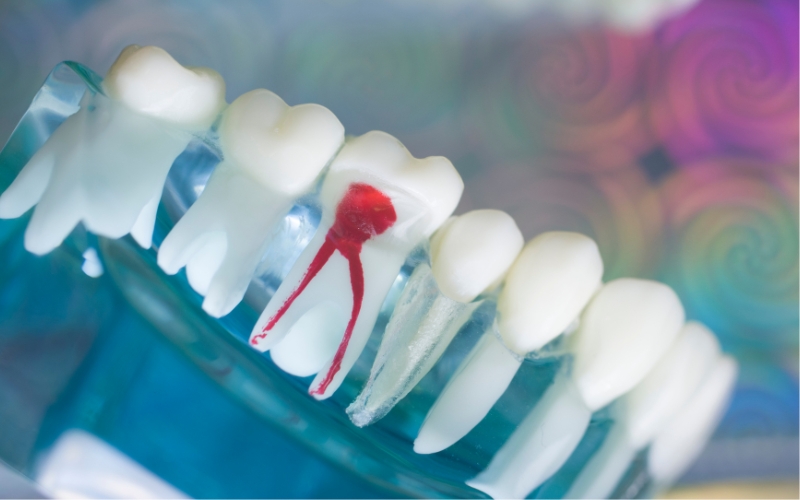
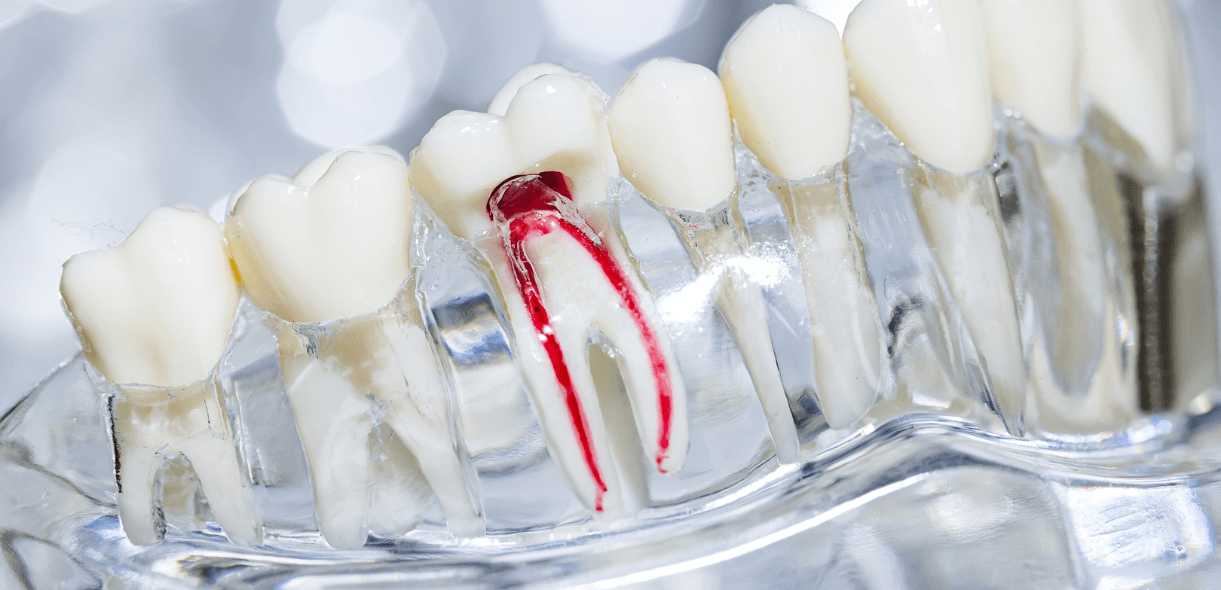
Before diving into the specifics, let’s clarify what a root canal entails. A root canal is a dental procedure aimed at treating infection or damage within the tooth’s pulp — the innermost part containing nerves, blood vessels, and connective tissues. During a root canal, the infected or damaged pulp is removed, the interior of the tooth is cleaned, disinfected, and sealed, effectively preserving the tooth and preventing further complications.
Signs and Symptoms
Recognizing the signs and symptoms that indicate the need for a root canal is crucial for timely intervention and effective treatment. Here are some common indicators that may suggest the necessity of a root canal:
- Persistent Tooth Pain: Unrelenting tooth pain, especially when chewing or applying pressure, can signify underlying issues such as infection or inflammation within the tooth.
- Sensitivity to Temperature: Heightened sensitivity to hot or cold foods and beverages, lingering even after the stimulus is removed, may indicate nerve damage or infection.
- Gum Swelling and Tenderness: Swollen, tender gums near the affected tooth can be a sign of infection spreading to the surrounding tissues.
- Darkening or Discoloration of the Tooth: Discoloration or darkening of the tooth may suggest decay or damage extending to the inner layers.
- Prolonged Sensitivity to Touch: Sensitivity or discomfort in the tooth, especially when touched or pressed, could indicate nerve involvement or pulp inflammation.
- Visible Signs of Infection: In some cases, a pimple-like bump (abscess) on the gums, accompanied by pus drainage and foul taste or odor, may indicate a severe infection requiring immediate attention.
When Is a Root Canal Necessary?
A root canal becomes necessary when the pulp inside the tooth becomes infected, inflamed, or damaged beyond repair. This typically occurs due to untreated cavities, deep dental decay, traumatic tooth injury, or repeated dental procedures on the same tooth. If left untreated, the infection can spread to the surrounding tissues, leading to abscess formation, bone loss, and potentially serious health complications.
Treatment Process
Understanding the treatment process can alleviate anxiety and help patients prepare for what to expect during a root canal procedure. Here’s an overview of the typical steps involved:
- Initial Assessment: The dentist begins by conducting a thorough examination, including X-rays, to assess the extent of damage and determine the need for a root canal.
- Anesthesia: Local anesthesia is administered to numb the affected tooth and surrounding area, ensuring a comfortable and pain-free experience during the procedure.
- Pulp Removal: Once the tooth is numb, the dentist creates an opening in the crown to access the pulp chamber and root canals. The infected or damaged pulp is carefully removed using specialized instruments.
- Cleaning and Disinfection: The interior of the tooth is meticulously cleaned, flushed, and disinfected to remove any remaining bacteria and debris.
- Sealing the Tooth: After cleaning, the empty pulp chamber and root canals are sealed with a biocompatible material to prevent recontamination and restore the tooth’s structural integrity.
- Restoration: Depending on the extent of damage, a dental crown or filling may be placed over the treated tooth to provide added strength, protection, and aesthetics.
Post-Treatment Care
Proper post-treatment care is essential for promoting healing, preventing complications, and ensuring the long-term success of the root canal. Here are some tips for post-treatment care:
- Follow Dentist’s Instructions: Adhere to any post-operative instructions provided by your dentist, including medication usage, dietary restrictions, and oral hygiene practices.
- Avoid Chewing on the Treated Tooth: Refrain from chewing on hard or sticky foods with the treated tooth until it’s fully restored to avoid damaging the temporary filling or crown.
- Practice Good Oral Hygiene: Maintain excellent oral hygiene habits, including brushing twice daily, flossing regularly, and using an antiseptic mouthwash to keep the treated area clean and free of infection.
- Attend Follow-Up Appointments: Attend scheduled follow-up appointments with your dentist to monitor healing progress, address any concerns, and ensure the success of the root canal treatment.
Conclusion
Understanding when a root canal is necessary empowers individuals to recognize the signs, seek timely intervention, and preserve their oral health. By addressing infection and damage within the tooth’s pulp, root canal therapy offers a lifeline for salvaging compromised teeth and alleviating discomfort. If you experience persistent tooth pain or other symptoms suggestive of dental issues, don’t hesitate to consult with your dentist for prompt evaluation and appropriate treatment. Your smile deserves the best care possible, and a root canal can be the key to restoring its health and vitality.