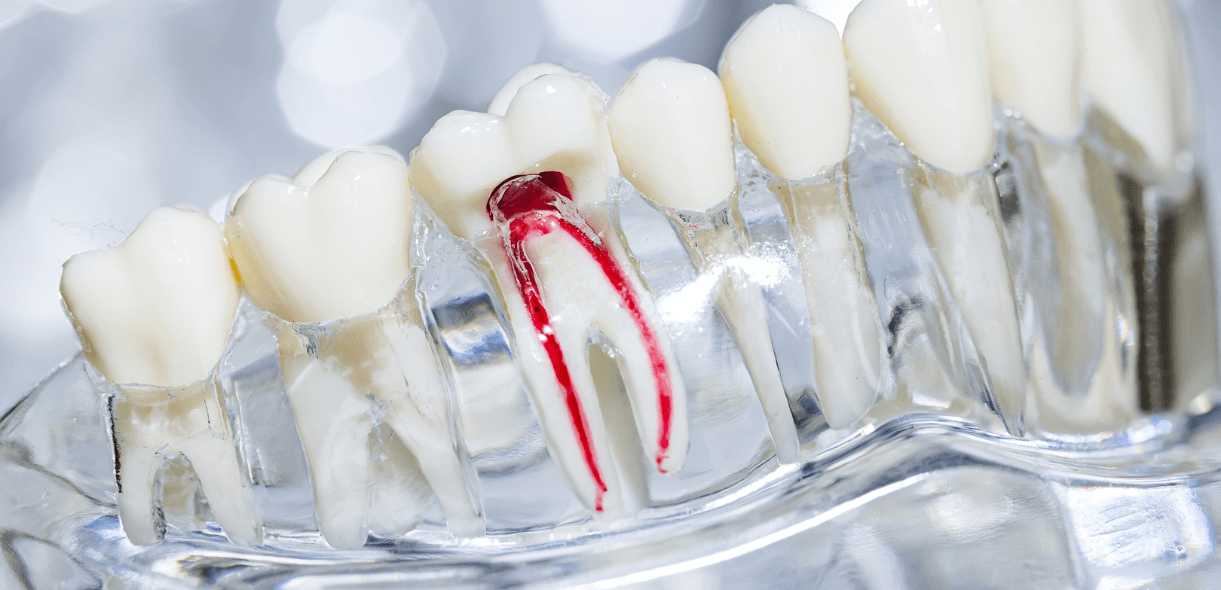



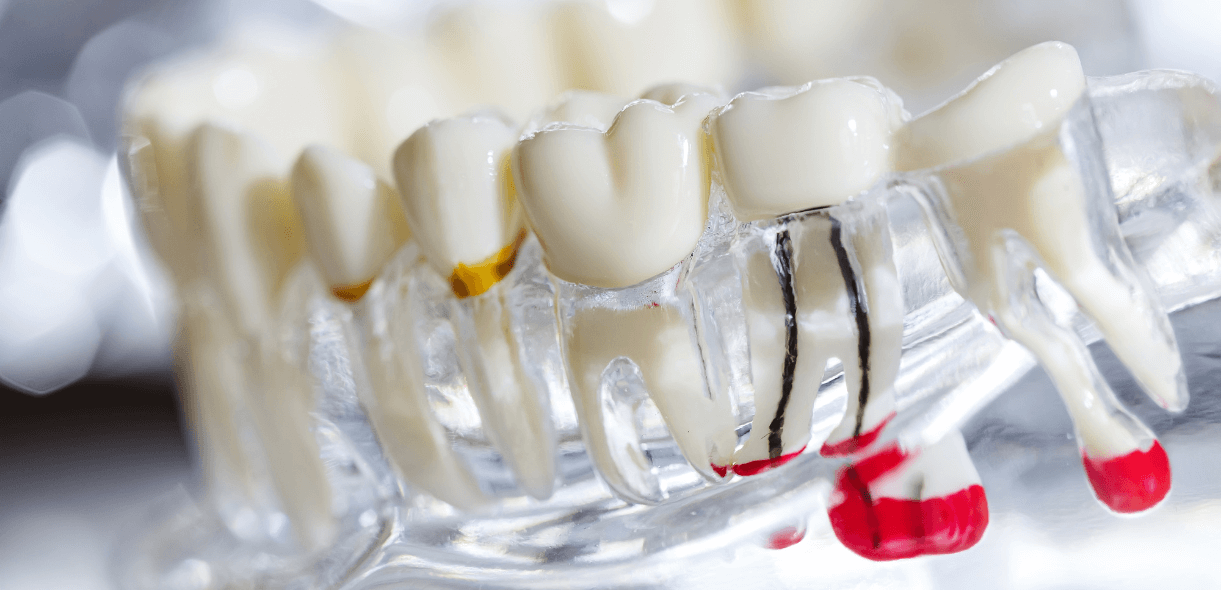
Toothaches are no fun, and a throbbing tooth can put a damper on your day. But what if that toothache is a sign of something more serious? If you’ve been told you need a root canal, you might be wondering: Can a root canal procedure actually save my tooth? The answer is yes! In fact, a root canal is a very effective treatment for a specific dental problem and can often prevent the need for a tooth extraction. Let’s explore what a root canal is, when it’s necessary, and how it can save your smile.
When is a Root Canal Necessary?
Your teeth are tougher than they seem, but the inner part, called the pulp, is a delicate area containing nerves and blood vessels. If the pulp becomes infected, it can cause a lot of pain and discomfort. This infection can happen in a few ways:
- Deep Decay: Cavities are a common dental problem, but if left untreated, they can grow deep enough to reach the pulp, causing infection.
- Cracks and Chips: Cracks or chips in the tooth can expose the pulp to bacteria in your mouth, leading to infection.
- Trauma: An injury to the mouth, like a blow to the face, can damage the pulp and cause infection.
If the pulp gets infected, you’ll likely experience some uncomfortable symptoms. These can include:
- Pain: This can be a throbbing pain, sharp pain, or a dull ache in the tooth. It might be constant or come and go.
- Sensitivity: The tooth might be sensitive to hot or cold temperatures, or even to sweet foods.
- Swelling: The gums around the infected tooth might become swollen and tender.
- Bad Breath: A tooth infection can cause persistent bad breath.
If you experience any of these symptoms, it’s important to see your dentist right away. Early diagnosis and treatment of a tooth infection can often save the tooth with a root canal procedure. Left untreated, a tooth infection can spread to the jawbone and cause serious health problems. In such cases, a root canal might no longer be an option, and the only way to save your smile would be to remove the tooth completely through an extraction.
How Does a Root Canal Save a Tooth?
The root canal procedure itself involves several steps. First, your dentist will numb the area around the tooth with an anesthetic to ensure you feel minimal discomfort. Then, they will create a small opening in the crown of the tooth to access the infected pulp. Once the infected pulp is removed, the dentist will carefully clean and disinfect the canals inside the tooth’s root. Finally, the canals are filled and sealed with a special material.
By removing the infected tissue and sealing the tooth, a root canal stops the infection, relieves pain, and preserves the tooth structure. This allows you to keep your natural tooth and continue using it for chewing and biting.
Success Rate and Long-Term Care
The good news is that root canals have a very high success rate, with over 95% of root canals saving the tooth for several years. However, for this success to be long-lasting, good oral hygiene and regular dental checkups are crucial. Just like any other tooth, a root canal treated tooth needs proper care to prevent future problems. Brushing twice a day, flossing daily, and maintaining a healthy diet are essential. Regular dental checkups allow your dentist to monitor the treated tooth and address any potential issues early on.
Conclusion
Saving your natural tooth is always the best option whenever possible. Natural teeth provide the best biting function, contribute to proper speech, and enhance your smile’s aesthetics. A root canal therapy can effectively treat a tooth infection, relieve pain, and allow you to keep your natural tooth functioning normally. If you experience any signs of a tooth infection, such as pain or swelling, schedule an appointment with your dentist right away. Early diagnosis and treatment can help you keep your smile healthy and bright for years to come. Don’t hesitate to discuss if a root canal can be the solution to save your tooth and avoid the need for a tooth extraction.