



Did you know that September is National Breakfast Month? Breakfast is often called the most important meal of the day. Yet, its impact on oral health is usually overlooked.
Starting your day with a healthy breakfast does more than just fuel your body—it can also improve your oral health. The food you choose each morning can help protect your teeth and gums, setting the stage for a healthy smile.
This blog will explore how a nutritious breakfast can benefit oral health and provide tips for making smart choices that support teeth and gums.
The Importance of Breakfast
A healthy breakfast offers numerous benefits that extend beyond just satisfying hunger. It kickstarts your metabolism, boosts energy levels, and helps maintain a balanced diet. Eating a nutritious breakfast provides essential nutrients like vitamins, minerals, and fiber that support overall health.
When you skip breakfast, you may feel sluggish and more likely to make poor food choices later in the day. Eating a well-balanced breakfast also lowers the chance of overindulging and unhealthy snacking by regulating blood sugar levels.
Breakfast also sets the tone for your day. When you start with a healthy meal, you are more likely to continue making nutritious choices throughout the day. This can have a positive ripple effect on your overall well-being, including your oral health.
For instance, choosing a breakfast rich in whole grains, fruits, and dairy products can provide the nutrients your body—and your mouth—need to stay healthy.
Moreover, eating breakfast can influence your daily habits. Regular breakfast eaters are more likely to brush and floss first thing in the morning, which promotes improved dental hygiene.
Skipping breakfast might mean you rush out the door without giving your teeth the attention they need. This may eventually result in plaque accumulation and other problems with dental health.
By making breakfast a priority, you set yourself up for a day of better health choices, including those that benefit your teeth and gums.
Connection Between Diet and Oral Health
Oral Health Basics
Good oral health involves more than just having clean teeth. It includes healthy gums, fresh breath, and strong enamel. In addition to routine dental exams, flossing, and brushing, good diet is also very important. What you eat and drink has an instant effect on your teeth and gums.
For instance, sugary food can lead to cavities, while acidic food can erode enamel. On the other hand, certain nutrients support strong teeth and healthy gums, making diet an important factor in maintaining oral health.
Role of Nutrition in Oral Health
Nutrients like calcium, vitamin D, and fiber are vital for oral health. Calcium strengthens teeth and bones, making them less prone to decay and damage.
Dairy products, such as cheese, yogurt, and milk, are excellent providers of calcium. Vitamin D helps the body absorb calcium, further supporting tooth strength. Good sources of vitamin D include sunshine and some food, like fatty fish and dairy products with added nutrients.
Whole grains, fruits, vegetables, and other high-fiber food are also advantageous. Saliva helps wash away food particles and neutralize acids that can damage enamel since it is activated by fiber.
Saliva is your mouth’s natural defense against cavities and gum disease. Consuming a diet high in these nutrients will shield your gums and teeth against frequent issues related to oral health.
Impact of Sugary vs. Healthy Breakfast Choices
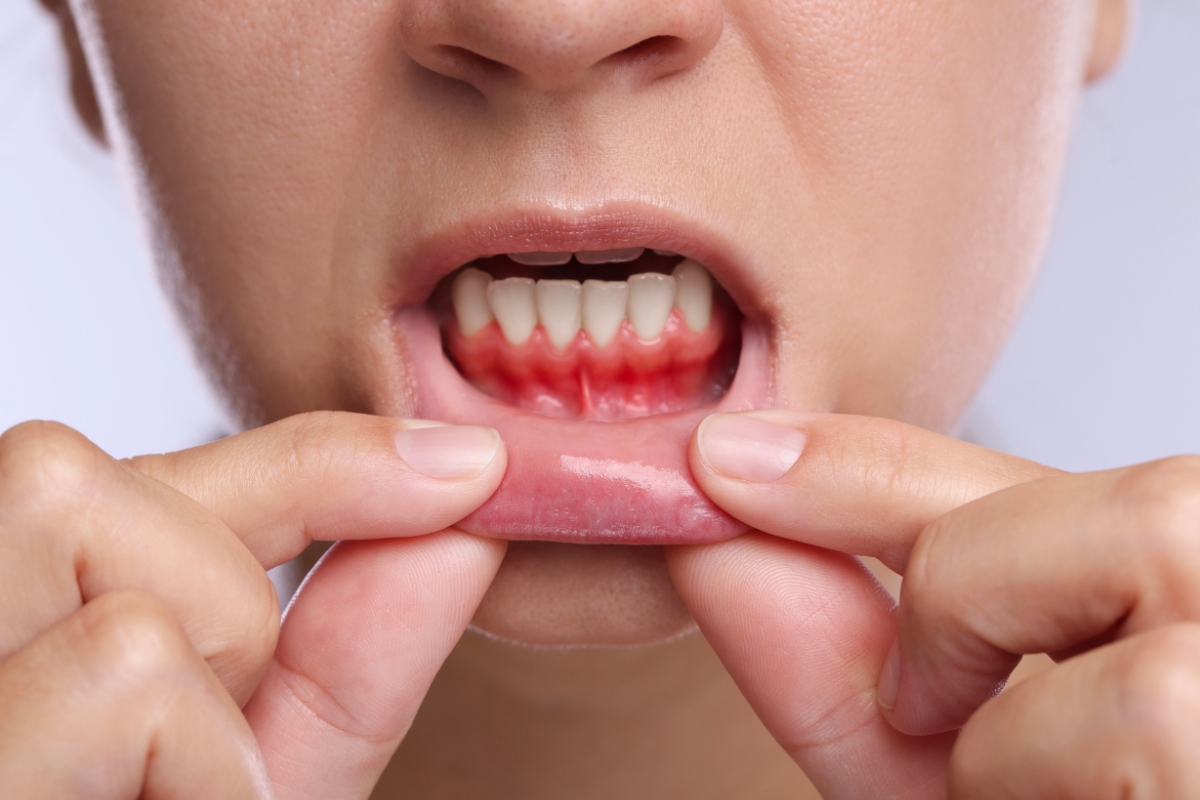
When it comes to dental health, not every meal is made equal. Sugary cereals, pastries, and sweetened drinks can wreak havoc on your teeth. The sugar in these food feeds harmful bacteria in your mouth, leading to plaque buildup, cavities, and gum disease.
Sticky food, like some cereals and dried fruits, can also linger on teeth, increasing the risk of decay. Over time, a diet high in sugar and refined carbohydrates can lead to significant oral health issues.
In contrast, choosing nutrient-rich breakfast options can have a protective effect. For example, a breakfast of whole grains, fresh fruit, and dairy products provides essential vitamins and minerals that strengthen teeth and gums.
Whole grains are high in fiber, which promotes saliva production and helps clean teeth as you eat. Fresh fruits, especially those high in vitamin C, help to maintain healthy gums by battling bacteria and lowering inflammation. The calcium and vitamin D found in dairy products, such as milk and yogurt, are essential for strong teeth.
Eating a nutritious breakfast contributes to your general well-being and helps you keep your teeth in good condition. You can lower your risk of cavities, gum disease, and other oral health issues by avoiding sugary, sticky food and choosing nutrient-dense alternatives.
Healthy Breakfast Ideas for Oral Health
Calcium-Rich Food
- Yogurt and Cheese: These dairy products are high in calcium, which strengthens tooth enamel and bones. Start your day with a serving of yogurt topped with fresh fruit, or enjoy a slice of cheese with whole-grain toast.
- Leafy Greens: Kale and spinach are two examples of vegetables that are high in calcium and other vital elements. Add them to an omelet or smoothie for a calcium boost that benefits your teeth and overall health.
Vitamin C-Rich Food
- Oranges and Strawberries: These fruits are excellent sources of vitamin C, which supports gum health by reducing inflammation and strengthening blood vessels. Enjoy them as part of a fruit salad or on their own for a refreshing, gum-friendly snack.
- Kiwis: Kiwis are another excellent source of vitamin C and can help maintain healthy gums and stave against gum disease. Add them to a smoothie or eat them sliced with yogurt for a nutritious start to your day.
High-Fiber Food
- Whole Grains: Food like oatmeal, whole-grain toast, and bran cereals are high in fiber. Fiber promotes saliva production and helps clean teeth as you eat. It also aids in digestion and keeps you feeling full longer.
- Nuts and Apples: Nuts are a great source of healthy fats and fiber, while apples have a natural teeth-cleaning effect. Snack on a handful of nuts or enjoy a sliced apple with your breakfast for added oral health benefits.
Hydration
- Water: By hydrating your mouth and removing food particles, drinking water first thing in the morning lowers your chance of developing foul breath and dry mouth. Water also helps neutralize acids that can erode enamel.
- Milk: A glass of milk with breakfast provides calcium and vitamin D, both of which are essential for maintaining strong teeth. Milk also helps neutralize acids in the mouth, protecting enamel from erosion.
Food to Avoid for Oral Health
Sugary Cereals and Pastries
- Cavities and Gum Disease: Sugary cereals and pastries can lead to cavities and gum disease. These food include sugar, which encourages the growth of bad bacteria in your mouth that cause plaque and tooth decay. It is best to avoid or limit these food to protect your oral health.
Acidic Drinks
- Enamel Erosion: Acidic beverages like orange juice and coffee can erode tooth enamel over time. If you do drink these beverages, try to rinse your mouth with water afterward or have them with a meal to minimize their impact on your teeth.
Sticky Food
- Plaque Buildup: Food like dried fruits can stick to teeth and contribute to plaque buildup. Sticky food is harder to clean off teeth, increasing the risk of cavities. Choose fresh fruits instead, which are less likely to cling to teeth.
Eating a nutritious breakfast will help you avoid cavities and gum disease and replenish vital nutrients in your mouth. By choosing calcium-rich food, vitamin C-rich fruits, and high-fiber options, you can support your teeth and gums every morning. This Breakfast Month, make conscious choices to benefit your oral and overall health.