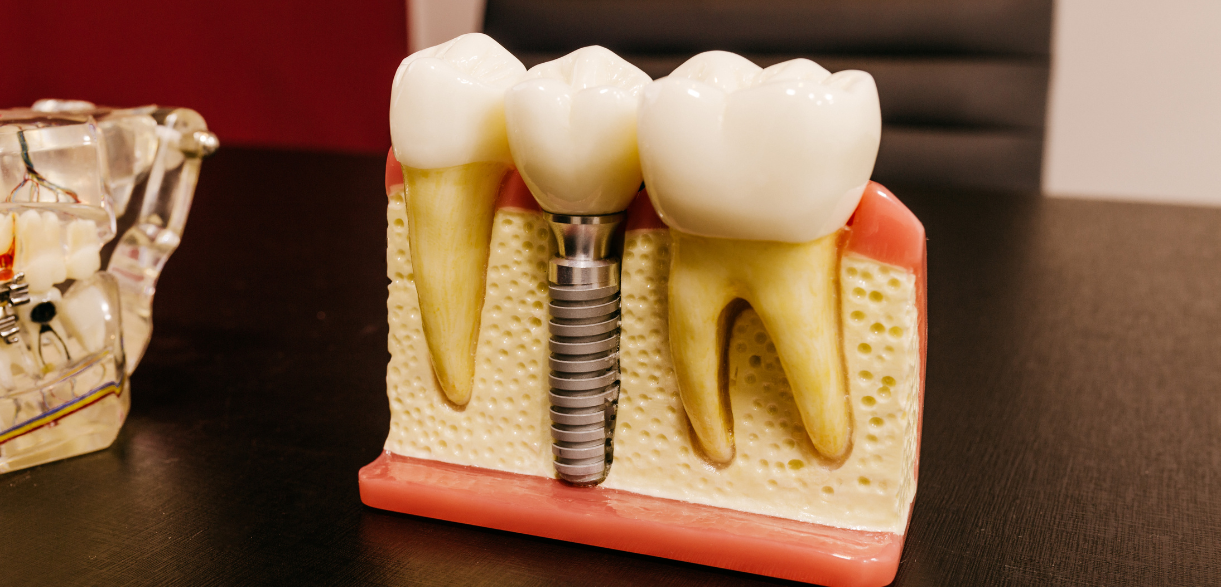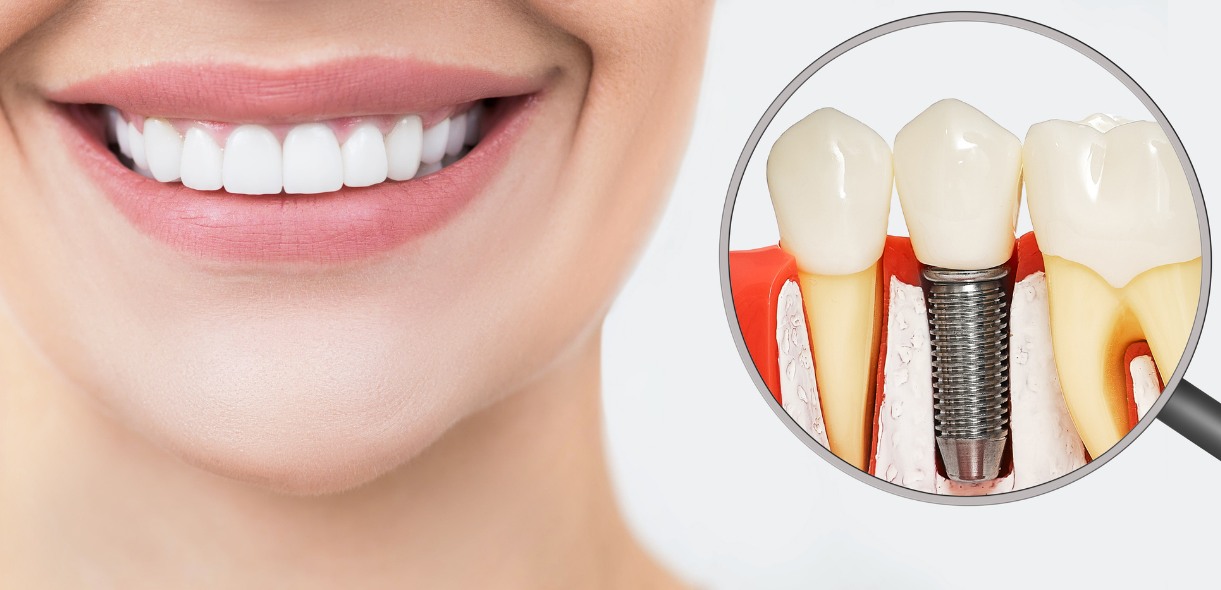




Dental implants are artificial tooth roots that provide a permanent base for fixed or removable replacement teeth. They consist of a titanium post inserted into the jawbone, acting as a sturdy foundation for crowns or bridges.
Understanding how implants work is crucial for anyone considering them. It helps patients make informed decisions about their dental health. This guide explains the various aspects of implants, from their definition to the procedure and care involved.
This guide will provide valuable insights whether you are exploring options for tooth replacement or just curious about the process.
What Are Dental Implants?
Implants are devices used to replace missing teeth. They have three main components: the post, abutment, and crown. The post is the part inserted into the jawbone, providing support. The abutment connects the post to the crown, which is the visible part of the tooth.
There are two primary types of implants: endosteal and subperiosteal. Endosteal implants are the most common. They are placed directly into the jawbone and can hold one or more crowns. Subperiosteal implants sit on top of the jawbone, below the gum tissue. These are used when a patient does not have enough healthy jawbone for endosteal implants.
These metal posts offer a reliable solution for tooth loss, helping restore both functionality and aesthetics. They are designed to look and feel like natural teeth, making them a popular choice for those seeking tooth replacement options.
Why Choose Dental Implants?
Many people prefer implants over traditional tooth replacement options like bridges and dentures. One significant benefit of these metal posts is their durability. Unlike dentures, which may slip or require adjustment, implants are secure and stable. They function like natural teeth, allowing patients to eat, speak, and smile confidently.
Another advantage is the preservation of jawbone health. When a tooth is lost, the jawbone can deteriorate over time. Dental implants stimulate the bone, preventing this bone loss. They also do not require alterations to adjacent teeth, unlike bridges. This means more of your natural teeth remain intact.
Aesthetically, implants offer superior results. They look and feel like real teeth, enhancing smiles without the drawbacks of removable dentures. Long-term, implants are cost-effective. Although they may require a higher initial investment, their durability means they won’t need frequent replacements like dentures or bridges.
Overall, these metal posts provide excellent benefits that make them an appealing choice for tooth replacement.
How Do Dental Implants Work?
The Procedure
The process of getting implants typically involves several steps. First, a dentist evaluates the patient’s oral health and takes X-rays to determine bone density. Once approved, the procedure begins with the placement of the titanium post into the jawbone. This step is done under local anesthesia to ensure comfort.
After inserting the post, the dentist stitches the gums over the implant site. A healing period of several months follows to allow osseointegration to occur. This process is crucial for the implant’s success, as the jawbone needs time to grow around the implant.
Osseointegration
Osseointegration is the process where the titanium post fuses with the jawbone. This bond creates a strong and stable base for the dental crown. The success of osseointegration depends on several factors, including the patient’s bone density and overall health. Sufficient bone quality ensures a secure fit, which is why pre-surgical evaluations are essential.
Healing Process
After surgery, the healing process typically takes three to six months. During this time, the patient should avoid hard foods to prevent complications. Factors like age, health conditions, and smoking can affect recovery speed. Following post-operative care instructions is crucial for minimizing risks.
Patients will return for follow-up appointments to monitor healing. Once the implant has integrated fully with the bone, the dentist places the abutment and crown. This marks the final step in the dental implant process, allowing the patient to enjoy their new smile.
Who Is a Candidate for Dental Implants?
Ideal candidates for implants are generally adults in good health. A strong jawbone is necessary to support the implant. Factors like age and health conditions play a role in candidacy. Patients with uncontrolled diabetes or autoimmune disorders may face challenges.
Certain habits, like smoking, can negatively impact healing and implant success. Therefore, discussing your medical history with your dentist is essential. A thorough evaluation, including X-rays and CT scans, helps determine whether you are suitable for implants.
Patients who have adequate bone density usually experience better outcomes. Those lacking sufficient bone may require bone grafting to prepare for implants. Overall, a consultation with a dental professional will help clarify if dental implants are the right choice for you.
Care and Maintenance of Dental Implants
Caring for implants is similar to caring for natural teeth. Patients should follow a daily routine of brushing and flossing. Use a soft-bristled toothbrush and fluoride toothpaste to clean the implant and surrounding gums. Regular dental check-ups every six months help ensure the implant remains healthy.
In addition to routine care, patients should watch for signs of complications. Common issues can include gum inflammation or discomfort. If any unusual symptoms occur, contact your dentist promptly.
Maintaining good oral hygiene is crucial for the longevity of these dental metal posts. This prevents plaque buildup and minimizes the risk of infection. Taking these steps will help ensure your implants last for many years.
Implants provide a valuable solution for individuals facing tooth loss. This guide has covered essential information about implants, their work, and who can benefit from them. Understanding the procedure and aftercare is crucial for long-term success.
If you are considering implants, consult with a dental professional for personalized advice. They can evaluate your situation and guide you through the process. Do not hesitate to take the next step—schedule a consultation today.