



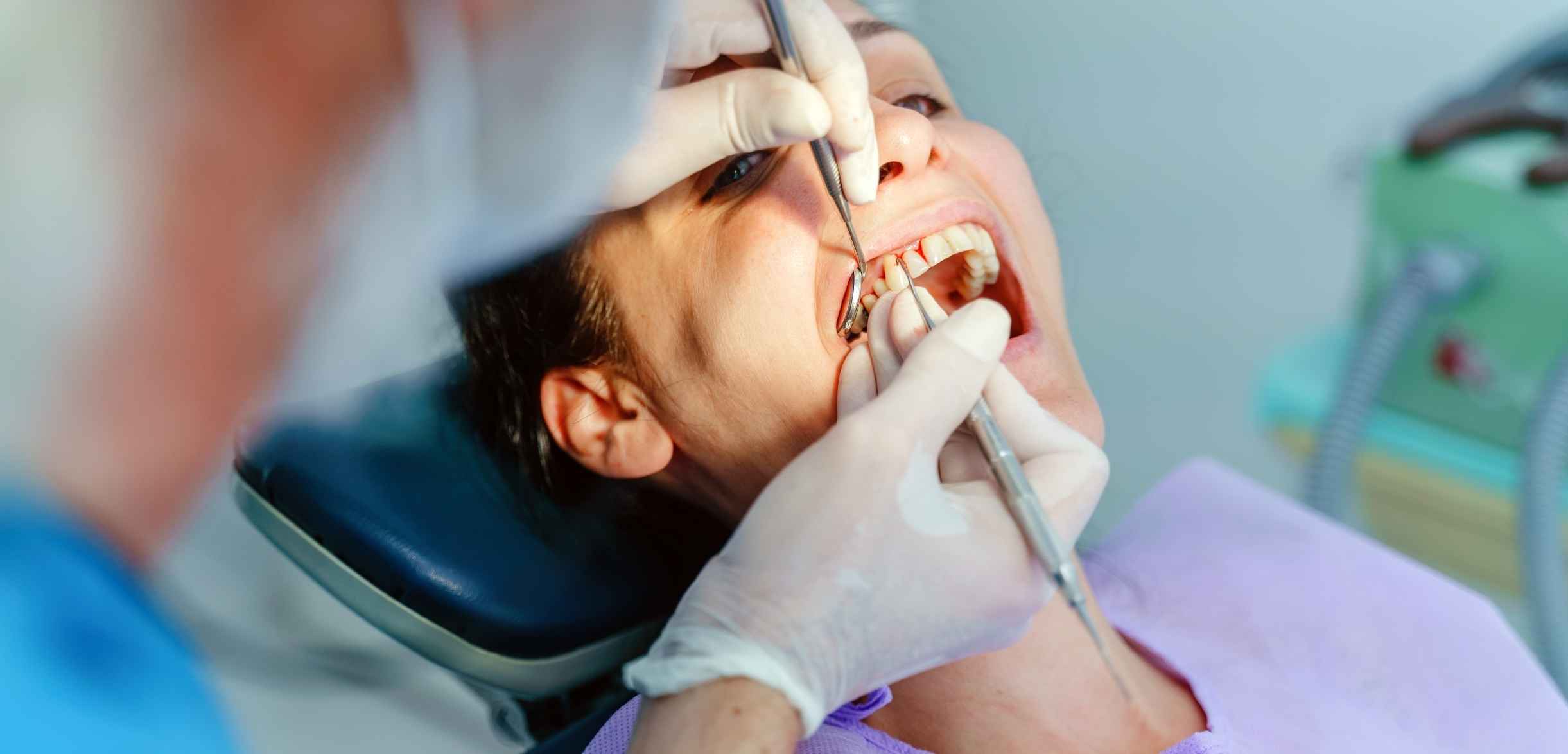
Recovery after oral surgery plays a critical role in ensuring proper healing. Proper care during this time helps prevent complications and accelerate recovery. Following the right steps significantly impacts healing speed.
This blog covers essential dos and don’ts for a smooth and efficient recovery. Adhering to these guidelines supports a quicker return to daily activities while minimizing infection risks or other issues. Timely aftercare, including following post-op instructions and recognizing warning signs, contributes to a successful healing journey.
Understanding Oral Surgery Recovery
What to Expect?
Oral surgeries, like wisdom teeth removal, dental implants, or gum surgery, each come with their own recovery timelines. In general, you can expect swelling and discomfort for the first few days.
Depending on the procedure, full recovery may take anywhere from a week to several months. Most patients can return to normal activities within a few days, though some may need more time to heal fully.
Signs of Proper Healing vs. Complications
Normal healing involves mild swelling, slight discomfort, and some bleeding in the first 24 hours. Pain and swelling should gradually reduce over time.
However, if you experience severe pain, fever, or unusual swelling, this could indicate an infection or another complication. Contact your dentist or surgeon immediately if you notice signs of infection, excessive bleeding, or extreme discomfort.
The Do’s for a Speedy Recovery
Do Follow Post-Op Instructions Carefully
Your oral surgeon will provide specific instructions for aftercare. These instructions are tailored to your surgery and will guide you through the recovery process. Following these instructions ensures that you heal correctly and avoid complications. Take all prescribed medications as directed and follow advice regarding diet, activity, and pain management.
Do Rest and Avoid Physical Strain
Resting is crucial during the first few days after surgery. Rest helps reduce swelling and allows your body to focus on healing. Avoid any heavy physical activity, including strenuous exercise or lifting. Balance rest with light, comfortable activities like reading or watching TV to prevent boredom while your body heals.
Do Stay Hydrated and Eat Soft Foods
Hydration plays a key role in healing. Drink plenty of water to keep your body hydrated and support recovery. Stick to soft, bland foods such as mashed potatoes, soups, smoothies, or yogurt to avoid irritation to the surgical site. Avoid chewing on the side of your mouth where surgery was performed.
Do Apply Ice and Use Pain Relief as Directed
In the first 48 hours after surgery, ice packs can reduce swelling and help numb pain. Follow your surgeon’s recommendations on how often to apply ice, usually at 20-minute intervals. If prescribed pain medication, take it as directed. Do not skip doses, as consistent pain management supports faster recovery.
Do Keep the Area Clean and Practice Good Oral Hygiene
Gently brush your teeth around the surgical site with a soft-bristled brush. Rinse your mouth with warm saltwater or antiseptic mouthwash to promote healing and reduce infection risk. Be careful not to disturb the surgical site during cleaning, especially within the first few days.
Do Monitor Your Healing Progress
Monitor any changes in your condition, such as swelling, pain, or discomfort. If you notice anything concerning, contact your oral surgeon. Monitoring your recovery ensures that complications are addressed early and that you stay on the right track for healing.
The Don’ts to Avoid Setbacks
Don’t Smoke or Use Tobacco Products
Smoking or using tobacco products slows down the healing process. It reduces blood flow, increases the risk of infection, and may even lead to complications like dry sockets. Avoid smoking completely until you have fully healed.
Don’t Drink Alcohol
Alcohol can interfere with healing by thinning the blood, which may lead to excessive bleeding. It also interacts with pain medications, potentially causing harmful side effects. Refrain from drinking alcohol until your surgeon advises otherwise.
Don’t Skip Your Follow-Up Appointments
Follow-up appointments are essential for ensuring your recovery is progressing well. Missing an appointment may delay the identification of complications or prevent the timely removal of stitches. These check-ups allow your oral surgeon to monitor your progress and address any concerns promptly.
Don’t Eat Hard, Crunchy, or Spicy Foods
Hard, crunchy, or spicy foods can irritate the surgical site, causing pain or discomfort. They can also increase the risk of infection. Stick to soft, mild foods that won’t disrupt the healing process, such as well-cooked pasta or mashed vegetables.
Don’t Rush Physical Activity
Avoid any strenuous exercise or heavy lifting for the first few days following surgery. Physical exertion may raise your blood pressure, leading to increased swelling or bleeding. Light activity is okay after a few days, but don’t push yourself too hard.
Don’t Touch or Irritate the Surgical Site
Refrain from touching or poking at the surgical site with your fingers, tongue, or other objects. Irritating the area can introduce bacteria, increase the risk of infection, and delay healing. Let your body naturally heal without interference.
Managing Complications
Common complications during recovery include dry sockets, infection, and excessive bleeding. A dry socket occurs when the blood clot at the extraction site is dislodged, leading to pain and delayed healing. Infection may cause redness, swelling, and fever. Excessive bleeding can usually be managed with pressure or gauze, but if it doesn’t stop, contact your surgeon.
If you notice any unusual symptoms like intense pain, fever, or foul-smelling discharge, seek professional help immediately. Early intervention is key to preventing serious complications and ensuring a full recovery.
Tips for Mental and Emotional Well-Being During Recovery
Staying Calm and Patient
Recovery after oral surgery can take time, and it’s important to stay patient. The healing process can feel long, but maintaining a positive mindset helps reduce stress and encourages faster healing.
Managing Pain and Discomfort
Pain and discomfort are normal, but psychological techniques such as relaxation or meditation can help. Try deep breathing exercises to manage stress and distract from discomfort. Staying calm helps keep your body relaxed, which can ease the pain.
Support Systems
Having a support system in place is vital. Friends and family can provide help with meals, transportation, and emotional support. Don’t hesitate to reach out to loved ones or seek professional help if you’re feeling overwhelmed during the recovery process.
The dos and don’ts of oral surgery recovery are key to a smooth and speedy healing process. Following your surgeon’s instructions, taking proper care of yourself, and avoiding harmful habits will help you recover quickly.
If you experience any unusual symptoms or have concerns during your recovery, don’t hesitate to contact our dentists or oral surgeons. With the right care and patience, you can return to your normal life with minimal complications.