



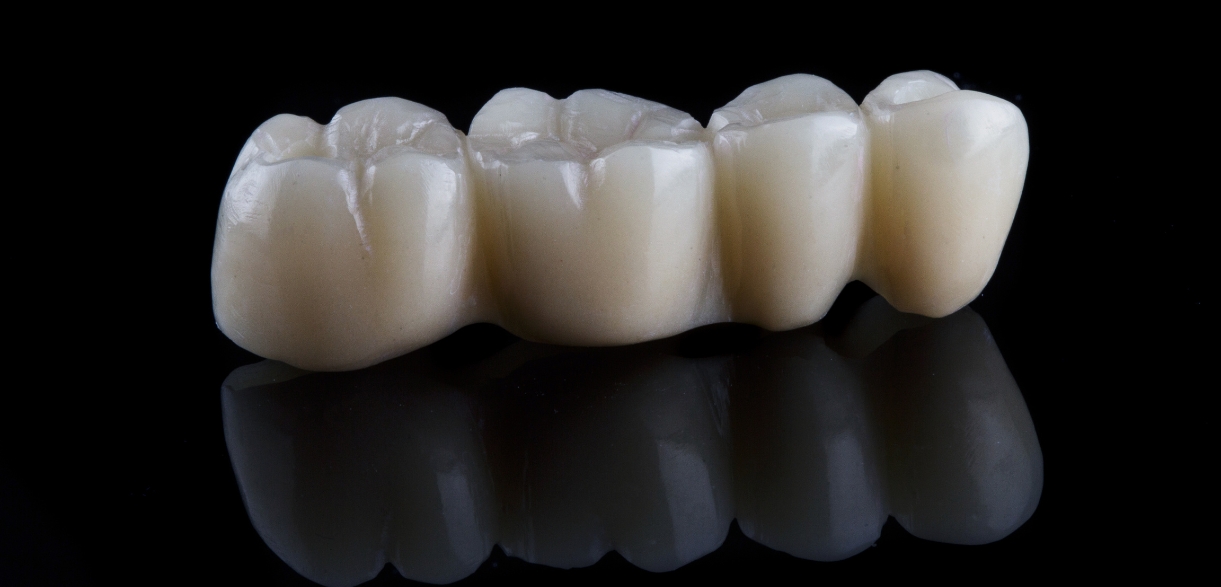
Do you know what dental crowns do? Dentists mainly use them to strengthen and protect damaged teeth. Apart from boosting your teeth, it can also enhance your appearance. One of the primary reasons for the popularity of crowns is their durability. However, the longevity of crowns greatly depends on the way you care for them. Maintaining good oral hygiene, paying attention to your oral health, and visiting your dentist regularly can significantly extend your lifespan. Ensure to treat the crowns just like your natural teeth. Discover a few essential tips to help you maintain your artificial restorative dental structure in this blog.
Maintain Excellent Oral Hygiene
Maintaining good oral hygiene is not only beneficial for dental crowns in Media but also for overall oral health. Never forget to brush your teeth at least twice a day, following the recommended techniques. Use a soft-bristled toothbrush and fluoride-based toothpaste for the best results. Dentists recommend that everyone change their toothbrushes every three months. Flossing also plays a key role in eliminating plaque and tartar that brushes may fail to reach. Additionally, you can use antibacterial mouthwashes for better results, just avoid those that contain alcohol.
Avoid Hard And Sticky Foods
Dental crowns are highly durable, but many people often forget that they are not indestructible. You should avoid hard foods as biting directly into them can crack or chip crowns. Nuts, candies, ice, and popcorn are foods that you should avoid. Additionally, you should also avoid sticky foods as they can pull out the crowns. Chewing gum is a hidden culprit in causing damage. Never use your teeth as an opener; there are specialized tools for that purpose. Slightest of mindfulness while chewing can significantly reduce the risk of damage and extend the life of your dental restoration.
Wear A Nightguard If You Grind Your Teeth
Teeth grinding, also known as bruxism, is particularly damaging to dental crowns, as it can cause permanent damage. The best way to determine whether you grind at night is by asking your partner to stay active while you sleep. Upon sharing your problem, the dentist can create a customized nightguard to protect your crown. It works as a cushion between the teeth and the crown, safeguarding them from wear and tear. Additionally, teeth grinding is detrimental to overall oral health.
Schedule Regular Dental Check-Ups
Routine dental visits are essential for maintaining not only your crowns but also your overall oral health. During these appointments, your dentist will check the condition of your crown. They will ensure it’s still properly seated and look for any signs of damage, decay, or gum issues. Early detection of problems can prevent the need for costly repairs or replacements. It is recommended to visit your dentist at least twice a year for optimal outcomes.
Address Dental Issues Promptly
If you notice sensitivity, discomfort, or a loose crown, don’t wait—contact your dentist right away. Ignoring symptoms can lead to further complications, such as crown dislodgement, decay under the crown, or gum infections. Quick intervention ensures the problem is treated before it worsens and helps preserve the longevity of your restoration.
Proper Care Extends The Life Span Of Dental Crowns
Is investing in dental crowns worthwhile? They are an absolute bargain for protecting and strengthening your damaged teeth. Following the above tips will extend their lifespan, eliminating the need for frequent replacements or adjustments. Do you still have questions about the daily care routine for dental crowns? Schedule an appointment with a dentist today for personalized guidance and care.