



If you’ve got a strong gag reflex or sensitive teeth, you know a trip to the dentist can feel like a real ordeal. Honestly, you’re far from alone—research in the Journal of the American Dental Association says around 10–15% of folks deal with a severe gag reflex at the dentist. Plenty more feel a jolt of discomfort from cold air, dental tools, or even a gentle tap. If any of this sounds familiar, sedation can make the entire experience much smoother. But maybe you’re wondering: will sedation actually keep those reflexes in check? Let’s walk through what’s really going on and how you can navigate your next visit with less stress.
Why Do People Gag at the Dentist?
A strong gag reflex is pretty normal—it’s just your body’s way of protecting you. Various factors can trigger it during a dental appointment, including X-ray sensors, impressions, mirrors, and suction tools. Even anxiety, a runny nose, sinus problems, or bad memories from past visits can ramp things up. The good news? If you know what triggers your anxiety, your dentist can select the proper sedation method to help you relax.
How Does Sedation Help With Gagging or Sensitivity?
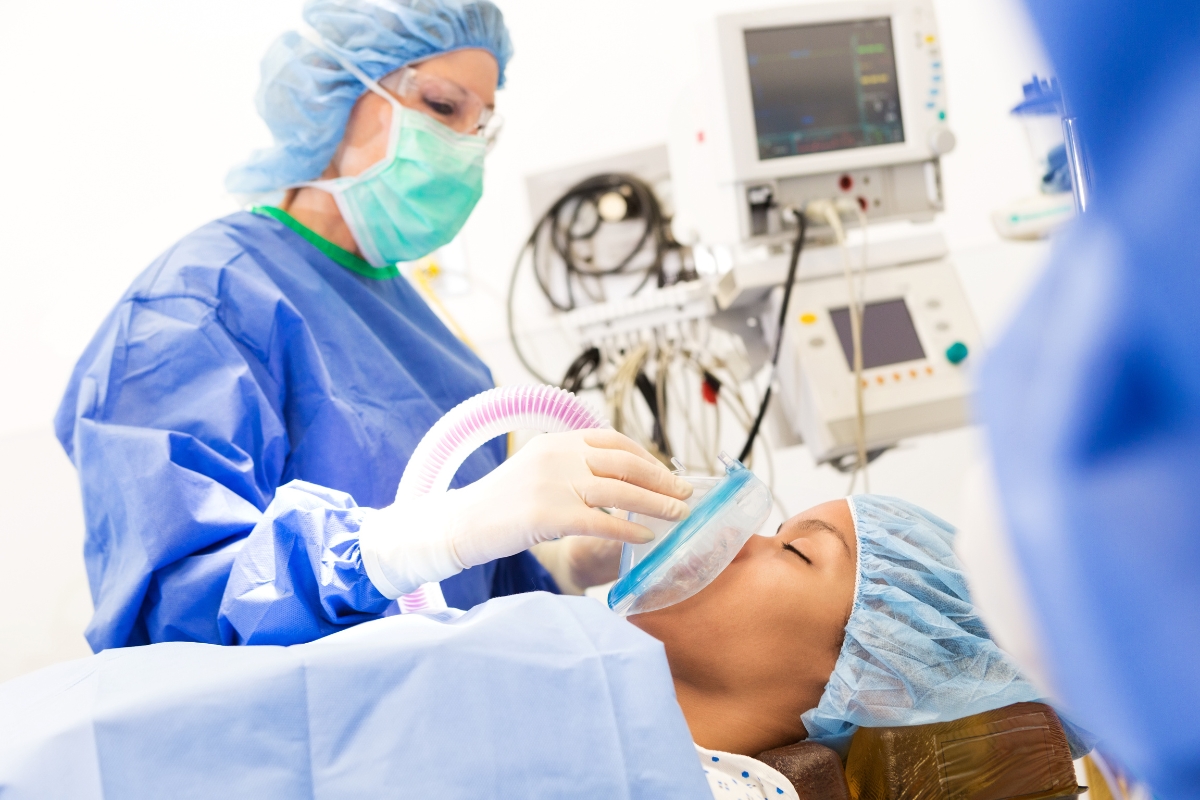
Sedation calms your nervous system, so you don’t react as much to what’s happening in your mouth. Depending on your needs, your dentist may use nitrous oxide, oral medications, or IV sedation. Each one helps you feel less tense, more comfortable, and way less likely to gag or flinch. People often say the whole thing just feels easier—almost like there’s a filter between their mouth and their brain. That’s why finding a sedation dentist in Media can make all the difference.
Tips to Tame Your Gag Reflex During Sedation
Sedation works wonders, but a few extra tricks can make your visit even better:
Breathe Slow and Steady
Deep, slow breathing through your nose can help keep your throat and muscles relaxed. It’s simple, but it works.
Change Up Your Position
Try tilting your chin up a bit, or ask your dentist to adjust the chair. Even minor tweaks can alleviate pressure on your soft palate and reduce your gag reflex.
Numb It Up
Your dental team can use numbing gels or sprays on sensitive spots before X-rays, impressions, or cleanings. These help dull your gag response right where it starts.
Speak Up
Tell your dentist what usually triggers your anxiety. They’ll go at your pace and check in often to make sure you’re still comfortable.
Distract Yourself
Bring headphones and listen to calming music or a podcast to help you relax. Shifting your attention away from your mouth can make a big difference.
What About Tooth Sensitivity?
Sensitive teeth happen when your dentin is exposed, enamel wears down, gums recede, or there’s inflammation. Sedation helps by relaxing you, but your dentist can do more: warm up the air and water, use gentler instruments, apply desensitizing pastes, or move the suction away from sensitive spots. These small changes help keep you comfortable and ensure you still receive the care you need.
Don’t let a strong gag reflex or sensitive teeth keep you from the dentist. With the right mix of sedation, simple techniques, and a team that truly listens, your appointments can feel simpler. If you’re ready for a visit that’s comfortable, give Media Hometown Dental a call. We’ll help you get the care you deserve—without all the stress.
FAQs
Does a gag reflex go away completely with dental sedation?
Sedation significantly reduces the reflex, but the level of relief varies from person to person. Most patients experience a significant improvement in comfort throughout their treatment.
Is dental sedation safe for people with anxiety or medical conditions?
Most patients tolerate it well; however, your dentist will review your health history, medications, and allergies to ensure your safety.
What type of dental sedation works best for sensitive teeth?
Nitrous oxide and oral sedation often provide relief, while intense sedation may be recommended for more extensive procedures or those with severe sensitivity.
Can I eat before a sedated dental visit?
It depends on the type of sedation. Your dentist will give clear instructions about fasting or light meals.
Will I remember the appointment after sedation?
Many patients remember very little with oral or IV sedation. Nitrous oxide provides relaxation while allowing for better awareness.