


Most people don’t realize how much gum health affects their overall well-being. Maybe you’ve noticed your gums bleed a little, feel tender, or your breath isn’t as fresh as you’d like. You start to wonder: Can I fix this, or is it too late? You’re not alone – lots of people ask if gum disease can be reversed. Here’s the good news: when you catch it early, you can make a difference in your oral health. Once you understand how gums heal, it’s a lot easier to protect your smile for the long haul.
How Gum Disease Begins
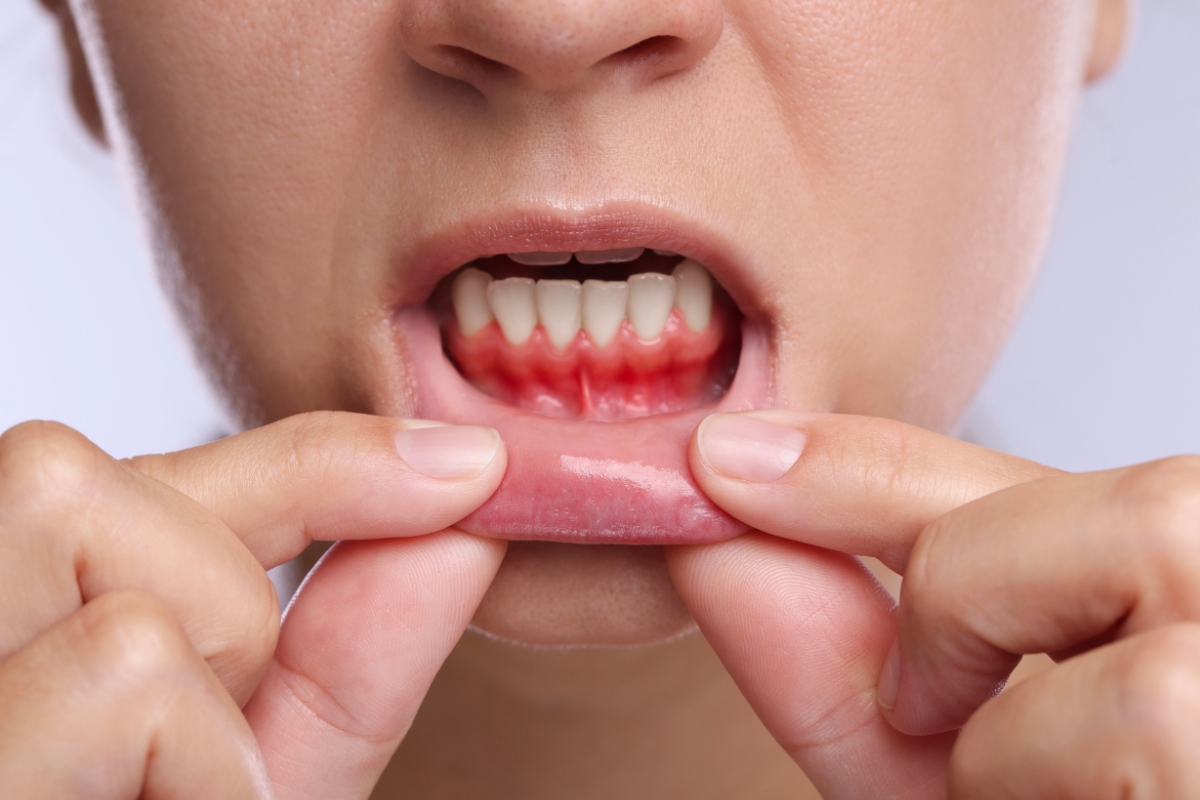
Gum disease starts when plaque (a sticky film packed with bacteria) builds up along your gumline. These bacteria irritate your gums, which leads to redness, swelling, and sometimes bleeding. At this first stage, called gingivitis, you can turn things around completely. But if the infection spreads further and turns into periodontitis, things get tricky. The disease can still be managed, but any tissue you’ve lost won’t naturally grow back.
That’s why dentists keep reminding us to come in for cleanings, brush and floss at home, and get checked out early if you notice something unusual in your oral health. The CDC says almost half of adults over 30 have some form of gum disease. That’s a lot of people, and it shows why catching those early signs makes such a difference.
Can You Reverse Gum Disease?
Gingivitis: You Can Fix This
Gingivitis responds well to proper oral care. A professional cleaning gets rid of the bacteria and accumulated dirt you can’t remove at home, and your gums feel better in just a week or two. If you keep brushing, flossing, and seeing your dentist regularly, you can keep things on track.
Periodontitis: Focus on Control, Not Cure
If gum disease has moved on to periodontitis, you’re working to control it, not reverse it. Treatments like scaling and root planing (a deep cleaning of the mouth), better at-home habits, and more frequent checkups help keep things from getting worse. You might hear your dentist mention “periodontal therapy” or “gum disease treatment”—both are about slowing or stopping further damage so you can keep your natural teeth as long as possible.
How Do You Help Your Gums Heal Faster?
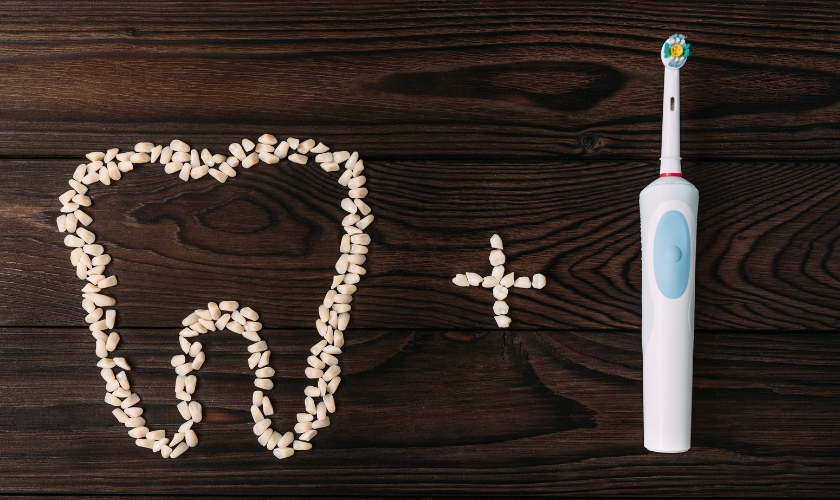
Healthy gums love consistency. Yes, professional care is key, but your daily routine does the real heavy lifting. It’s not about being perfect—just sticking with good habits every day makes a big difference.
Here’s what helps:
- Use a soft-bristled toothbrush.
- Floss daily, and don’t rush it.
- If your dentist recommends it, use an antimicrobial mouth rinse.
- Keep up with your dental cleanings.
These steps calm inflammation, help your mouth feel better, and boost your confidence, too.
When Will You See Results?
Most people notice less bleeding and tenderness within a week or two after a thorough cleaning and improved home care. If your case is more advanced, it might take a bit longer, but you’ll still see progress if you follow your dentist’s advice. The main thing? Don’t wait. The sooner you act, the better your results will be.
Gum disease is one of the most treatable dental problems—especially if you catch it early. With quick action, daily care, and help from a professional team like Media Hometown Dental, you can get your gums back on track. Even if things have progressed, a solid treatment plan still helps protect your smile from future dental problems.
FAQs
Can mouthwash cure gum disease?
Mouthwash can reduce bacteria and freshen breath, but it cannot cure gum disease alone. It works best when paired with professional cleanings and daily brushing and flossing.
Does gum disease always cause pain?
Not always. Some people have no discomfort even with an active gum infection. Regular exams help catch concerns before symptoms become noticeable.
Is gum recession reversible?
Recession caused by periodontitis cannot fully grow back naturally. However, treatments can stop further recession and improve gum stability.
Can gum disease affect overall health?
Yes. Research links gum disease to conditions like diabetes and heart disease. Managing gum inflammation may help reduce related health risks.
How often should I get periodontal cleanings?
Many patients with periodontal concerns visit every three to four months. Your dentist will recommend a schedule based on your gum health.