


Dental Bridges in Media, PA: Restoring Your Smile After Tooth Loss
Losing a tooth can feel overwhelming. Fortunately, Dental Bridges Media patients trust at Media Hometown Dental offer a reliable solution. A dental bridge literally bridges the gap left by a missing tooth. Dr. Haley Ciccarelli and our team are here to help you understand your options clearly.
What Is a Dental Bridge?
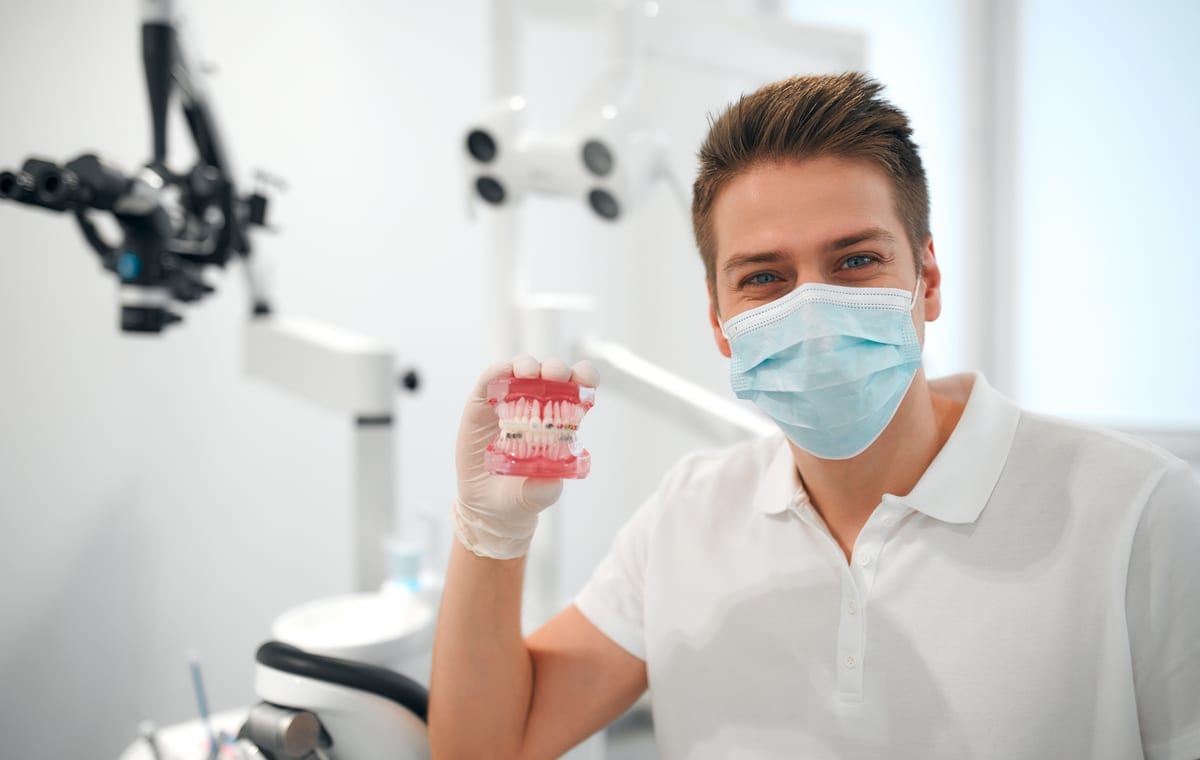
A dental bridge is a fixed restoration that replaces one or more missing teeth. It uses the teeth on either side of the gap as anchors. These anchor teeth are called abutment teeth. A false tooth, called a pontic, sits in between them.
Bridges are custom-crafted to match your natural teeth. They blend seamlessly into your smile. Most patients find them comfortable and easy to care for. Many people in Media, PA choose bridges for their durability and natural appearance.
There are several types of dental bridges available today:
- Traditional bridges: The most common type, supported by crowns on adjacent teeth
- Cantilever bridges: Anchored to only one adjacent tooth, used in specific situations
- Maryland bridges: Bonded to the backs of neighboring teeth using a metal or porcelain framework
- Implant-supported bridges: Held in place by dental implants instead of natural teeth
Why Replacing a Missing Tooth Matters
Many people underestimate the impact of a single missing tooth. Over time, the gap can cause serious problems. Neighboring teeth may shift toward the empty space. This can affect your bite and jaw alignment.
Bone loss is another concern after tooth loss. Without a tooth root stimulating the jawbone, the bone can shrink. This changes the shape of your face over time. Replacing the tooth promptly helps preserve your bone structure.
Missing teeth also affect chewing efficiency. You may avoid certain foods and change your diet unknowingly. Speech can also be impacted depending on which tooth is missing. Addressing tooth loss early protects your overall oral health.
Gum health plays a role here too. Exposed gaps can collect bacteria and plaque more easily. Untreated, this can lead to infection or gum disease. Learn more about protecting your gums with our Gum Disease Treatment services.
What to Expect During the Dental Bridge Process
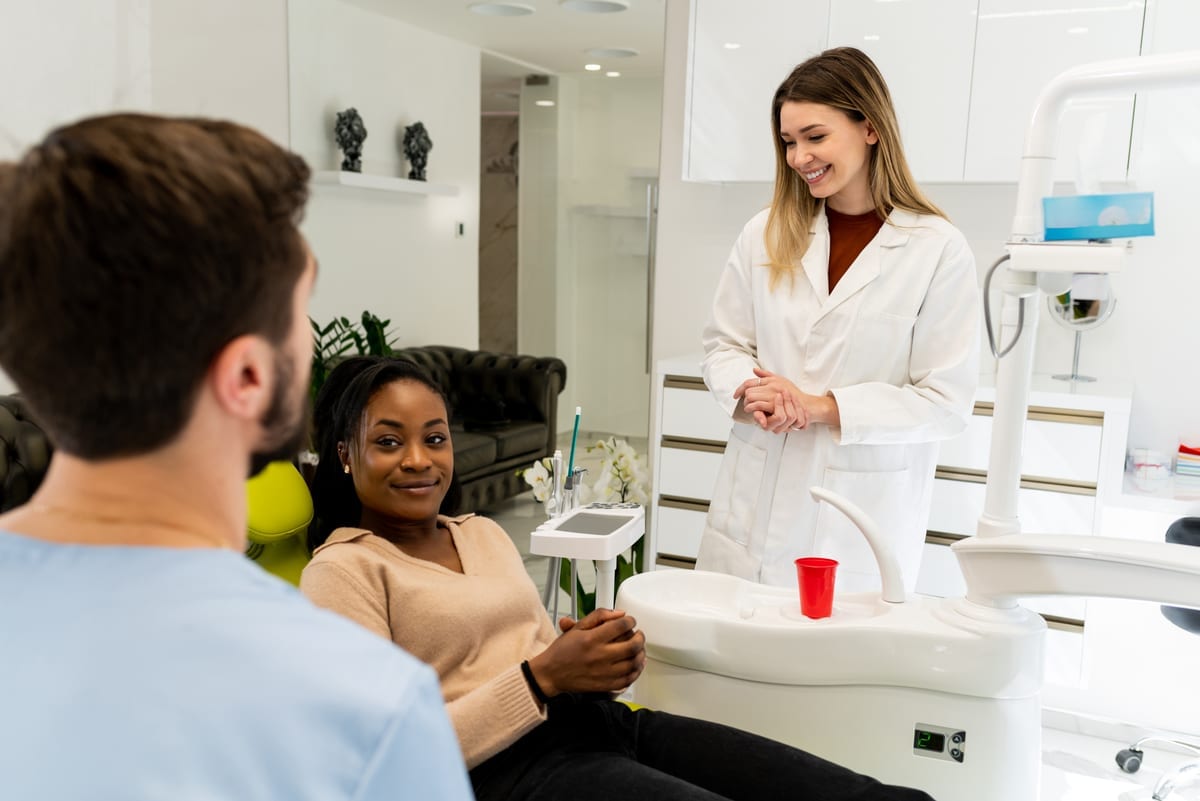
Getting a dental bridge at Media Hometown Dental is a straightforward process. Dr. Haley Ciccarelli will walk you through every step with care. Here is what you can typically expect during your visits:
- Initial consultation: Dr. Haley Ciccarelli examines your teeth, gums, and bite carefully
- Tooth preparation: The abutment teeth are gently shaped to accept crowns
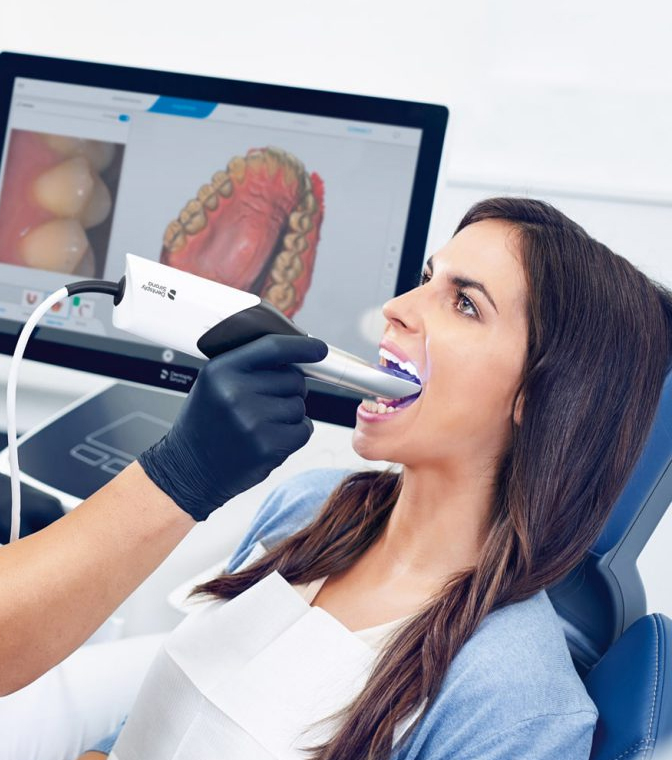
- Impressions: Detailed molds or digital scans are taken of your teeth
- Temporary bridge: A temporary bridge protects your teeth while your permanent one is crafted
- Placement: Your custom bridge is fitted, adjusted, and permanently cemented
Most patients complete the process in two to three appointments. The timeline depends on your individual case. Dr. Haley Ciccarelli ensures each step is comfortable and unhurried. Our Media team is always available to answer your questions.
The crowns that anchor your bridge are an essential part of the process. You can read more about how crowns work on our Dental Crowns page.
Benefits of Choosing Dental Bridges in Media
Dental Bridges Media patients choose offer several meaningful advantages. They are a well-established, proven tooth replacement option. Here are some key benefits worth knowing:
- Restores your ability to chew and speak naturally
- Prevents neighboring teeth from shifting out of position
- Helps maintain the natural shape of your face
- Fixed in place — no removal required like dentures
- Custom-crafted to match your natural tooth color and shape
- Generally completed in just a few appointments
- Long-lasting results with proper care and hygiene
Bridges can last ten to fifteen years or longer with good maintenance. Brushing, flossing, and regular checkups are essential. Dr. Haley Ciccarelli will provide specific care instructions after your procedure. Keeping your bridge clean protects both the restoration and surrounding teeth.
Caring for Your Dental Bridge
Proper care helps your bridge last as long as possible. Daily brushing remains just as important after getting a bridge. You should also floss carefully around the bridge every day. Special floss threaders or water flossers make this much easier.
Regular dental visits are critical for bridge longevity. Dr. Haley Ciccarelli monitors the bridge and surrounding teeth at every checkup. Early detection of any issues helps prevent larger problems. A consistent preventive routine is your best investment.
Avoid chewing on hard objects like ice or pen caps. These habits can damage both bridges and natural teeth. If you grind your teeth at night, mention this to Dr. Haley Ciccarelli. A custom night guard may help protect your restoration.
Our team is proud to support the whole family with preventive care. Visit our Preventive Dentistry page to learn how we keep smiles healthy long-term. Prevention and restoration work hand in hand at Media Hometown Dental.
Is a Dental Bridge Right for You?
Not every tooth replacement option suits every patient. Dr. Haley Ciccarelli will evaluate your specific needs carefully. Factors like bone health, gum condition, and adjacent tooth strength all matter. A personalized consultation is the best way to find your ideal solution.
Some patients may be better candidates for implants or other options. Dr. Haley Ciccarelli discusses all possibilities without pressure. Her goal is always to help you make an informed decision. Your comfort and confidence are the top priority.
Media Hometown Dental welcomes patients from across Media, PA and surrounding communities. Our office provides a warm, judgment-free environment for every patient. We believe everyone deserves a healthy, complete smile. Book Now to schedule your appointment with our team.
Frequently Asked Questions
How long does a dental bridge last?
With proper care, a dental bridge typically lasts between ten and fifteen years. Some bridges last even longer with excellent oral hygiene and regular dental visits. Dr. Haley Ciccarelli will advise you on the best maintenance routine to maximize your bridge’s lifespan.
Does getting a dental bridge hurt?
The procedure is performed under local anesthesia, so you should not feel pain during treatment. Some mild soreness or sensitivity is normal for a few days afterward. Dr. Haley Ciccarelli and the team at Media Hometown Dental do everything possible to keep you comfortable throughout.
How do I clean under my dental bridge?
Cleaning under a bridge requires a floss threader, interdental brush, or water flosser. These tools help you reach beneath the pontic where a regular toothbrush cannot. Dr. Haley Ciccarelli will demonstrate proper technique at your appointment to make daily cleaning simple.
What is the difference between a bridge and a dental implant?
A dental bridge relies on adjacent teeth for support and does not replace the tooth root. A dental implant is surgically placed into the jawbone, acting as an artificial root. Both are effective solutions, and Dr. Haley Ciccarelli will help you determine which is best suited for your situation.
Can a dental bridge affect my other teeth?
A traditional bridge requires the adjacent teeth to be reshaped to hold crowns. This is a permanent change to those teeth. However, this also means those teeth gain the protection of a crown. Dr. Haley Ciccarelli carefully evaluates whether this tradeoff is appropriate for your individual case.