


If you’ve recently received a dental bridge, you likely have questions about healing. Understanding what to expect after your dental bridge — recovery timeline and pain management in Media — helps you feel confident and prepared. Dr. Haley Ciccarelli and the team at Media Hometown Dental are here to guide you every step of the way. Knowing what’s normal and what’s not makes recovery much smoother.
Your Dental Bridge Recovery Timeline in Media
Most patients in Media, PA experience a straightforward recovery after getting a dental bridge. The first few days are typically the most sensitive. Your gums and the teeth supporting the bridge need time to adjust.
Here is a general timeline to help you plan:
- Days 1–3: Mild soreness, tooth sensitivity, and gum tenderness are common. Swelling is minimal but possible.
- Days 4–7: Sensitivity begins to ease. Eating becomes more comfortable. You’ll start adjusting to the feel of your bridge.
- Week 2: Most patients feel significantly better. The bridge starts to feel natural in your mouth.
- Weeks 3–4: Full adjustment is usually complete. Your bite should feel balanced and comfortable.
Every patient heals at a different pace. Factors like overall health, oral hygiene habits, and the complexity of your case all play a role. Dr. Haley Ciccarelli will give you personalized guidance at your follow-up appointment.
Pain Management Tips After Your Dental Bridge Procedure
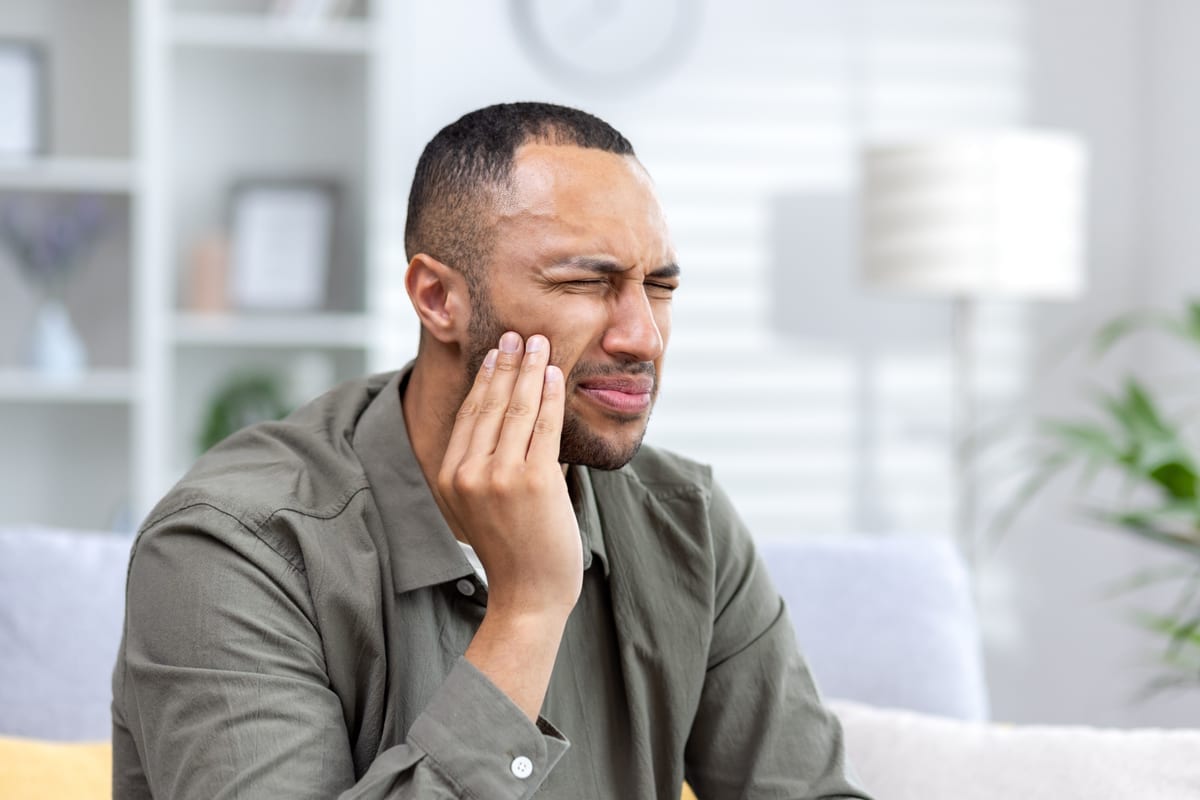
Some discomfort after a dental bridge is completely normal. The good news is that it’s usually manageable with simple strategies. You don’t need to suffer through recovery without support.
Here are effective pain management approaches recommended at Media Hometown Dental:
- Take over-the-counter pain relievers like ibuprofen or acetaminophen as directed.
- Apply a cold compress to your cheek for 10–15 minutes to reduce swelling.
- Avoid extremely hot or cold foods and drinks during the first week.
- Rinse gently with warm salt water to soothe gum irritation.
- Sleep with your head slightly elevated to minimize overnight swelling.
Prescription pain medication is rarely needed after a dental bridge. If over-the-counter options aren’t providing relief, contact our Media office right away. Unusual or escalating pain can sometimes signal a fit issue that needs a quick adjustment.
What to Eat During Dental Bridge Recovery
Your diet plays a big role in how smoothly you heal. Choosing the right foods protects your bridge and reduces discomfort. Stick to soft options for the first several days after your procedure.
Good food choices during early recovery include:
- Yogurt, smoothies, and applesauce
- Scrambled eggs and soft-cooked oatmeal
- Mashed potatoes and soft-cooked vegetables
- Soup with soft ingredients
- Ripe bananas and soft fruits
Avoid sticky, crunchy, or hard foods during recovery. These can dislodge your temporary bridge or stress your permanent one before it fully sets. Chewing on the opposite side of your mouth is also a smart short-term strategy. As healing progresses, you can gradually reintroduce your normal diet.
Avoid chewing ice, hard candies, or tough meats — even after full recovery. These habits can damage any dental restoration over time. Protecting your bridge extends its lifespan significantly.
Caring for Your Bridge and Maintaining Oral Health
Good oral hygiene after a dental bridge is essential for long-term success. A bridge requires specific cleaning techniques to stay healthy. Neglecting the area under and around the bridge can lead to gum disease or decay in the supporting teeth.
Follow these daily care habits:
- Brush twice daily using a soft-bristled toothbrush.
- Use a floss threader or interdental brush to clean under the bridge.
- Rinse with an antibacterial mouthwash to reduce bacterial buildup.
- Visit Media Hometown Dental for regular cleanings and checkups.
Our Preventive Dentistry program helps patients in Media keep their restorations in excellent shape. Routine visits allow Dr. Haley Ciccarelli to check your bridge for wear, fit, and any signs of concern. Catching small issues early prevents bigger problems later.
We also offer Pediatric Dentistry for younger family members who need early dental care. Bringing the whole family to Media Hometown Dental keeps everyone’s oral health on track. Healthy habits start young and last a lifetime.
When to Call Our Media Office After Your Bridge Placement
Most recovery symptoms are mild and resolve on their own within a week or two. However, some signs indicate you should reach out to our team sooner. Don’t hesitate to contact us if something doesn’t feel right.
Call Media Hometown Dental if you experience:
- Severe or worsening pain that doesn’t respond to pain relievers
- A bridge that feels loose, shifted, or uncomfortable when biting
- Signs of infection, such as fever, swelling, or discharge
- Persistent sensitivity lasting more than two weeks
- Difficulty eating or speaking that isn’t improving over time
These symptoms are not always cause for alarm, but they do warrant a professional evaluation. A quick visit allows Dr. Haley Ciccarelli to make any needed adjustments. Early intervention keeps your recovery on track and protects your investment.
Prompt communication with your dental team is always the right move. We’d rather hear from you and reassure you than have you worry alone. Our Media team is friendly, responsive, and always happy to help.
Moving Forward With Confidence After Your Dental Bridge
Recovery after a dental bridge is typically brief and very manageable. Most patients in Media are back to their normal routines within one to two weeks. With the right care and a little patience, your bridge will feel completely natural.
Dr. Haley Ciccarelli and the entire team at Media Hometown Dental are committed to making your experience as comfortable as possible. We’re here from your first consultation through every follow-up visit. Your long-term oral health is always our priority.
If you have questions about your recovery or want to schedule a check-in, we’re ready to help. Book Now to schedule your appointment with our team.
Frequently Asked Questions
How long does it take to fully recover from a dental bridge?
Most patients feel comfortable within one to two weeks after their dental bridge placement. Full adjustment, where the bridge feels completely natural, typically happens within three to four weeks. Individual healing times can vary based on overall health and oral hygiene habits.
Is it normal to have tooth sensitivity after a dental bridge?
Yes, some sensitivity to hot, cold, or pressure is very common after getting a dental bridge. This usually improves significantly within the first week. If sensitivity persists beyond two weeks or worsens, contact Media Hometown Dental for an evaluation.
Can I brush my teeth normally after a dental bridge?
You should brush gently with a soft-bristled toothbrush starting the day after your procedure. Avoid harsh scrubbing around the bridge site during the first few days. As soreness fades, you can return to your normal brushing routine while adding floss threaders for under-bridge cleaning.
What should I do if my dental bridge feels loose?
A loose or shifting bridge should be evaluated by your dentist right away. Do not attempt to adjust it yourself. Contact Media Hometown Dental to schedule a prompt appointment so Dr. Haley Ciccarelli can assess the fit and make any necessary corrections.
How do I clean under a dental bridge?
Cleaning under a dental bridge requires a floss threader, water flosser, or interdental brush. These tools allow you to remove plaque and food debris from beneath the bridge. Regular cleaning in this area is essential for preventing gum disease and keeping your supporting teeth healthy.