



If you are missing one or more teeth, a dental bridge can restore your smile and function. Understanding what happens during each stage of your dental bridge procedure in Media helps you feel prepared and confident. At Media Hometown Dental, Dr. Haley Ciccarelli and her team guide patients through every step with care and transparency. Knowing what to expect makes the whole experience much smoother.
Stage One: Your Initial Consultation and Treatment Planning in Media
Every bridge procedure begins with a thorough consultation. Dr. Haley Ciccarelli examines your teeth, gums, and jaw during this first visit. She also reviews digital X-rays to assess bone health and surrounding tooth structure. This information helps her design a bridge that fits precisely and lasts for years.
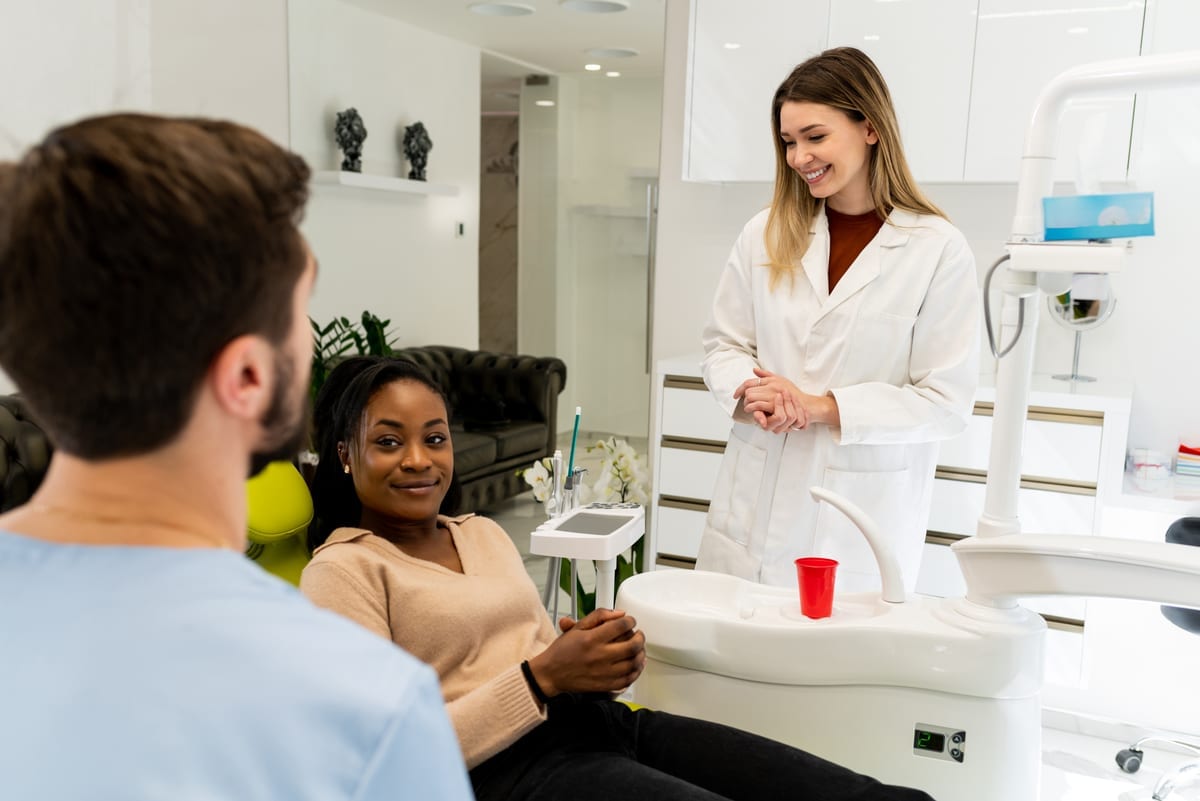
During your consultation, Dr. Haley Ciccarelli discusses your goals and answers your questions. She explains the type of bridge that suits your specific situation best. You will also learn how the procedure unfolds from start to finish. Patients leave this visit feeling informed and reassured.
Good oral health is essential before starting any restorative work. If gum disease or decay is present, those issues are treated first. Our team also encourages ongoing Preventive Dentistry habits to protect your long-term results. A healthy foundation leads to a longer-lasting bridge.
Stage Two: Preparing the Abutment Teeth
The second stage involves preparing the teeth on either side of the gap. These teeth are called abutment teeth, and they anchor the bridge in place. Dr. Haley Ciccarelli gently reshapes each abutment tooth by removing a small layer of enamel. This creates space for the dental crown that will cap each tooth.
Local anesthesia keeps you completely comfortable during this stage. Most patients feel only mild pressure, never sharp pain. If you feel nervous, Dr. Haley Ciccarelli and her team offer reassurance throughout the appointment. Your comfort is always the top priority at our Media practice.
After reshaping, the team takes precise impressions of your teeth. These impressions capture the exact size, shape, and spacing of your bite. The impressions are sent to a trusted dental laboratory. Skilled technicians use them to fabricate your custom bridge.
While your permanent bridge is being made, you receive a temporary bridge. This temporary restoration protects your prepared teeth and maintains your appearance. You wear it for about two to three weeks. Avoid sticky or hard foods during this period to keep it secure.
Stage Three: Fitting and Placing Your Permanent Bridge
Once your custom bridge arrives from the lab, you return for the placement appointment. Dr. Haley Ciccarelli carefully removes your temporary bridge first. She then checks the fit, color, and bite of the permanent bridge. Small adjustments are made if needed before final bonding.
The fitting process is detailed and methodical. Dr. Haley Ciccarelli checks how the bridge meets your opposing teeth when you bite down. She also examines the edges where the crowns meet your gumline. A precise fit prevents future sensitivity and discomfort.
When the fit is confirmed, Dr. Haley Ciccarelli permanently cements the bridge into place. The crowns bond firmly over the abutment teeth, anchoring the pontic in the gap. The result is a restoration that looks, feels, and functions like natural teeth. Most patients are genuinely pleased with how natural the outcome appears.
Here is what happens during this key placement stage:
- Temporary bridge is carefully removed
- Permanent bridge fit and color are evaluated
- Bite alignment is checked and adjusted
- Bridge is bonded permanently with dental cement
- Final polish is applied for a natural finish
What to Expect After Your Bridge Is Placed
Some mild sensitivity is normal in the days following placement. Your teeth and gums need a short adjustment period. Over-the-counter pain relief is usually sufficient if any discomfort arises. Most patients return to normal activities the same day.
Caring for your bridge is straightforward with the right habits. Brush twice daily and floss carefully around the bridge using a floss threader or interdental brush. Avoid biting hard objects like ice or fingernails. These habits help your bridge last a decade or longer.
Regular checkups at Media Hometown Dental keep your bridge in excellent condition. Dr. Haley Ciccarelli monitors the fit, the abutment teeth, and surrounding gum tissue at each visit. Early detection of any issue prevents larger problems down the road. Consistent care truly makes a lasting difference.
Here are the key benefits patients gain from a well-maintained dental bridge:
- Restored ability to chew and speak comfortably
- Prevented shifting of surrounding teeth
- Improved facial structure and smile aesthetics
- Long-lasting results with proper care
- Boosted confidence in everyday social situations
How Dr. Haley Ciccarelli Keeps You Comfortable Throughout Every Stage
Dental anxiety is very common, and Dr. Haley Ciccarelli understands that deeply. She takes time to explain each step before performing it. This approach removes the element of surprise and reduces stress significantly. You are always in control of your experience at our Media office.
The team uses the latest techniques to minimize discomfort at every stage. Local anesthesia is administered gently and efficiently. If you have questions or feel uneasy, simply let your care team know. They adjust the pace to match your comfort level.
Media Hometown Dental also serves families across all stages of life. Whether you are an adult needing restorative care or a parent seeking Pediatric Dentistry for your child, our practice offers compassionate care for everyone. We believe dental visits should feel supportive and stress-free. That commitment applies to every patient who walks through our door.
Conclusion
A dental bridge procedure involves several carefully planned stages, from your first consultation to final placement and follow-up care. Dr. Haley Ciccarelli and the team at Media Hometown Dental walk beside you at every step. You will always know what is happening and why. Restoring your smile is a journey, and we make it a comfortable one. Book Now to schedule your appointment with our team.
Frequently Asked Questions
How many appointments does a dental bridge procedure take?
Most dental bridge procedures require two to three appointments. The first visit covers your consultation and tooth preparation. The second visit handles the permanent placement. Occasionally a brief follow-up is scheduled to confirm comfort and fit.
Is getting a dental bridge painful?
The procedure is not painful because local anesthesia numbs the area throughout treatment. You may feel mild pressure during tooth preparation, but not sharp pain. Some sensitivity in the days after placement is normal and resolves quickly. Over-the-counter pain relievers are usually all that is needed.
How long does a dental bridge last?
A well-maintained dental bridge typically lasts ten to fifteen years or longer. Good oral hygiene, regular dental checkups, and avoiding hard foods extend its lifespan. Dr. Haley Ciccarelli monitors your bridge at every routine visit to catch any issues early.
Can I eat normally with a dental bridge?
Yes, most patients return to a normal diet after a short adjustment period. You should avoid very hard or sticky foods that could dislodge or crack the bridge. Once fully bonded, a bridge functions very similarly to natural teeth for everyday eating and speaking.
What makes someone a good candidate for a dental bridge?
Good candidates have one or more missing teeth with healthy abutment teeth on either side. Strong gum tissue and adequate bone density also support a successful bridge. Dr. Haley Ciccarelli evaluates your oral health during your consultation to confirm whether a bridge is the right solution for you.