



Your new crown won’t last without these daily care habits in Lima and the surrounding Media, PA area. A dental crown is a significant investment in your smile. But even the strongest crown can fail early without proper daily maintenance. The good news is that protecting your crown is simple once you know what to do.
Dr. Haley Ciccarelli and the team at Media Hometown Dental work hard to place crowns that fit beautifully and function well. Your role begins the moment you leave our chair. These practical habits will help your crown last for many years to come.
Why Crown Care Matters in Lima and Media, PA
Dental crowns are designed to be durable. Most last between 10 and 15 years with proper care. Some last even longer. But neglecting daily hygiene around a crown shortens its lifespan significantly.
The crown itself cannot decay. However, the tooth underneath still can. Bacteria build up at the margin — the thin line where your crown meets your gum tissue. That margin is the most vulnerable point of any crowned tooth.
Plaque at the margin can cause decay in the natural tooth structure beneath. It can also lead to gum inflammation and bone loss over time. Protecting that margin is the cornerstone of good crown care.
How to Clean Around Your Crown Every Day
Brushing and flossing around a crown requires a little extra attention. You should brush twice daily using a soft-bristled toothbrush. Angle the bristles toward the gumline to clean along the crown margin effectively.
Many patients wonder if flossing around a crown is safe. The answer is yes — and it is essential. Slide floss gently between the crowned tooth and its neighbors. Do not snap the floss downward, as this can dislodge a temporary crown or irritate the gum.
- Use a soft-bristled toothbrush angled at 45 degrees toward the gum
- Floss daily, sliding gently rather than snapping the floss into place
- Consider a water flosser to flush bacteria from the crown margin
- Use a fluoride toothpaste to strengthen surrounding enamel
- Rinse with an antibacterial mouthwash to reduce bacterial load
An interdental brush can also help clean along the sides of the crown. Ask Dr. Haley Ciccarelli which tools work best for your specific crown placement.
Foods and Habits That Shorten Crown Lifespan
Certain foods and habits put your crown under unnecessary stress. Sticky and hard foods are the most common culprits. Your new crown won’t last without these daily care habits in Lima if you continue damaging behaviors at the table.
Sticky candies like caramel and taffy can pull at the crown. This is especially risky for crowns bonded with certain types of cement. Hard foods like ice, hard candies, and crusty bread can crack porcelain or chip the crown surface.
- Avoid chewing ice — it is one of the top causes of crown damage
- Skip sticky candies, dried fruit, and chewy caramel
- Do not use your teeth as tools to open packages or bottles
- Limit acidic beverages like soda and citrus juice near the margin
- Cut hard foods like apples and crusty bread into smaller pieces
Teeth grinding is another major threat. Many patients in Media, PA grind their teeth at night without realizing it. This habit places extreme force on crowns and natural teeth alike.
The Role of Night Guards for Crown Protection
Bruxism — the clinical term for teeth grinding — is more common than most people think. It often happens during sleep, so many patients are completely unaware of it. Signs include waking with jaw soreness, headaches, or a worn-down crown surface.
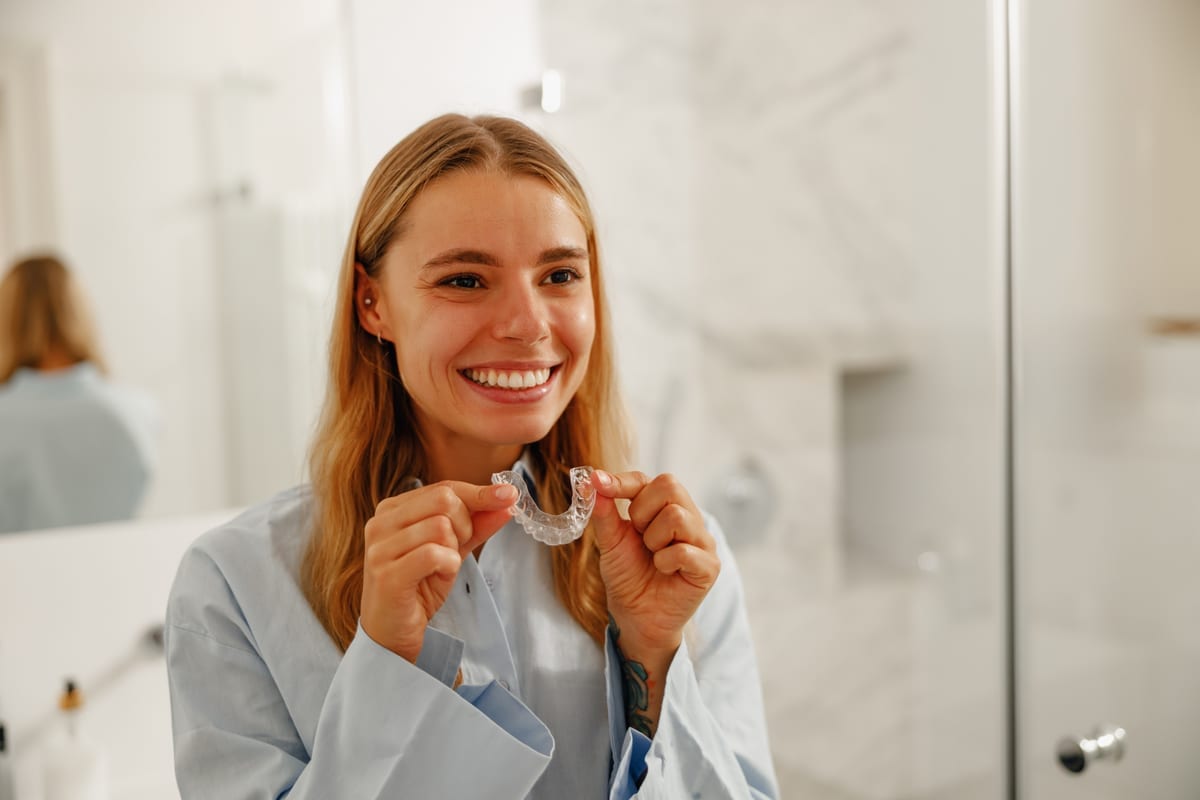
A custom night guard acts as a protective barrier between your upper and lower teeth. It absorbs the grinding force before it reaches your crown. Over-the-counter guards exist, but they rarely fit well enough to provide adequate protection.
Dr. Haley Ciccarelli can evaluate your bite and crown surfaces for signs of grinding. A professionally made night guard is molded precisely to your teeth. It stays in place comfortably all night and distributes force evenly across your jaw.
Wearing a night guard can dramatically extend the life of your crown. It also protects your other teeth, jaw joints, and surrounding bone. If you suspect grinding, mention it at your next visit to Media Hometown Dental.
Routine Checkups Are Part of Crown Care Too
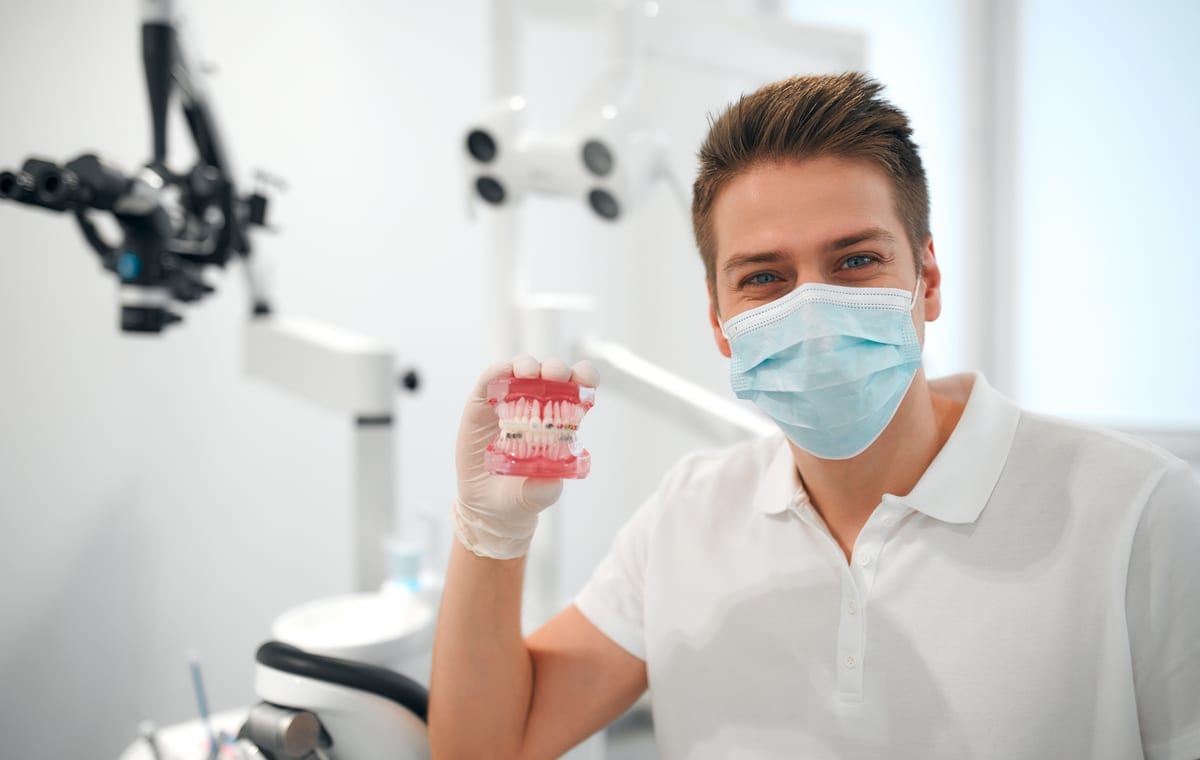
Daily care at home is only one part of protecting your crown. Regular professional checkups are equally important. Dr. Haley Ciccarelli examines the crown margin, checks your bite alignment, and looks for early signs of decay at each visit.
X-rays help detect problems beneath the crown that are invisible to the naked eye. Catching issues early means simpler, less costly treatment. Skipping checkups allows small problems to grow into larger ones.
Professional cleanings remove tartar buildup that your toothbrush cannot reach. This keeps the crown margin clean and the gum tissue healthy. We recommend most patients visit us every six months for Preventive Dentistry care.
Families in Lima and Media can bring every member of the household to our practice. We also offer Pediatric Dentistry for younger patients who need gentle, age-appropriate care. Healthy habits start early and last a lifetime.
Conclusion: Protect Your Investment Every Day
Your crown represents time, care, and a commitment to your oral health. With the right daily habits, it can serve you well for a decade or more. Clean around the margin carefully, avoid damaging foods, and wear a night guard if you grind your teeth.
Dr. Haley Ciccarelli and the team at Media Hometown Dental are here to support every step of your crown care journey. Whether you need a checkup, a custom night guard, or guidance on your daily routine, we are ready to help. Book Now to schedule your appointment with our team.
Frequently Asked Questions
How long should a dental crown last with proper care?
Most dental crowns last between 10 and 15 years with consistent daily care and regular professional checkups. Some crowns last 20 years or longer. Proper brushing, flossing, and avoiding damaging habits are the biggest factors in crown longevity.
Can I floss around my dental crown?
Yes, flossing around your crown is not only safe but essential. Gently slide floss between the crowned tooth and its neighbors each day. Avoid snapping the floss downward to protect both the crown and gum tissue.
What foods should I avoid after getting a dental crown?
You should avoid sticky candies, chewing ice, hard nuts, and very crusty bread. These foods can chip, crack, or dislodge your crown. Cutting hard foods into smaller pieces reduces the force placed on the crown during chewing.
Do I need a night guard if I have a dental crown?
If you grind your teeth at night, a custom night guard is strongly recommended. Grinding places significant force on your crown and can cause cracking or premature wear. Dr. Haley Ciccarelli can evaluate your bite and create a precisely fitted guard for your protection.
How do I know if something is wrong with my crown?
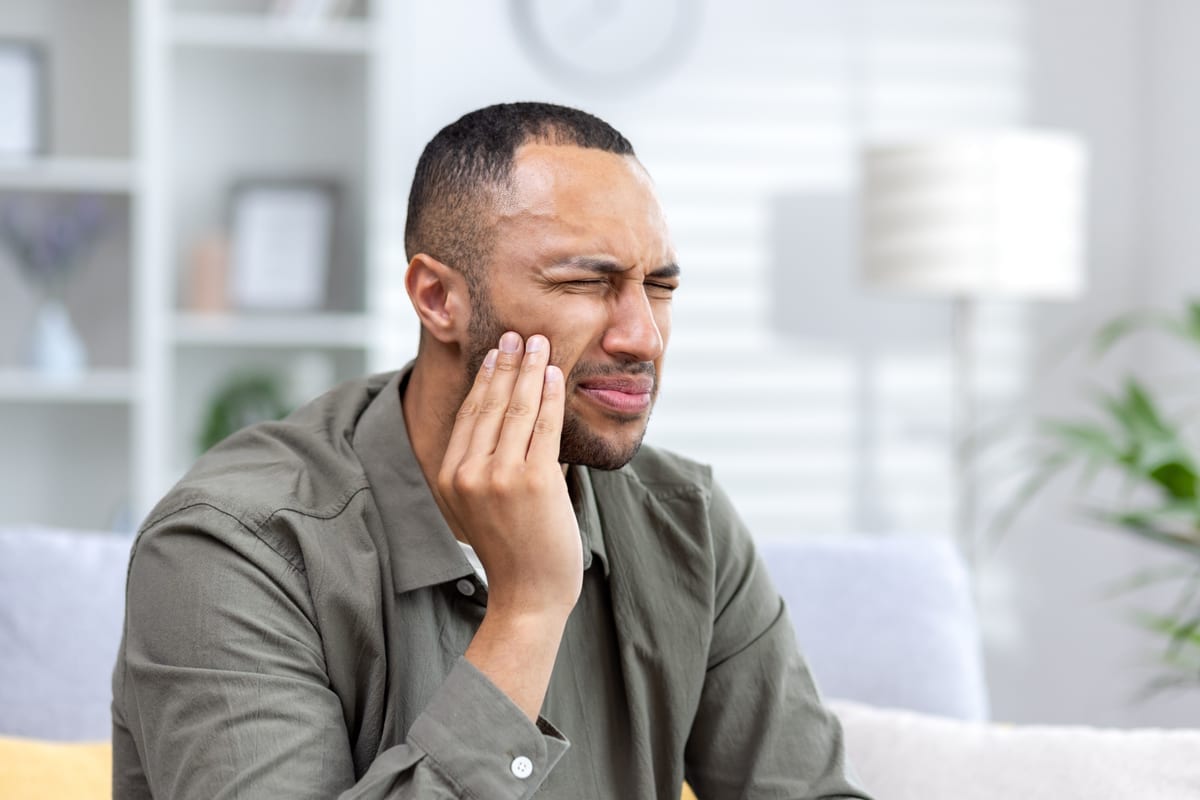
Signs of a problem include sensitivity to hot or cold, pain when biting, a loose or shifting feeling, or visible cracks on the surface. If you notice any of these symptoms, contact Media Hometown Dental promptly. Early intervention typically leads to simpler and more successful treatment.