


Most patients are surprised to learn that dental crowns last 15 years or more with proper care. That is genuinely good news for Lima, PA residents who invest in protecting a damaged or weakened tooth. However, certain habits and conditions can significantly cut that lifespan short. Understanding what threatens your crown is the first step toward keeping it strong for decades.
At Media Hometown Dental, Dr. Haley Ciccarelli works with patients every day to extend the life of their restorations. Whether your crown is brand new or several years old, knowing the risks helps you make smarter daily choices. This article covers crown lifespan, what shortens it, and the warning signs that signal it is time for a replacement.
How Long Do Dental Crowns Really Last in Lima?
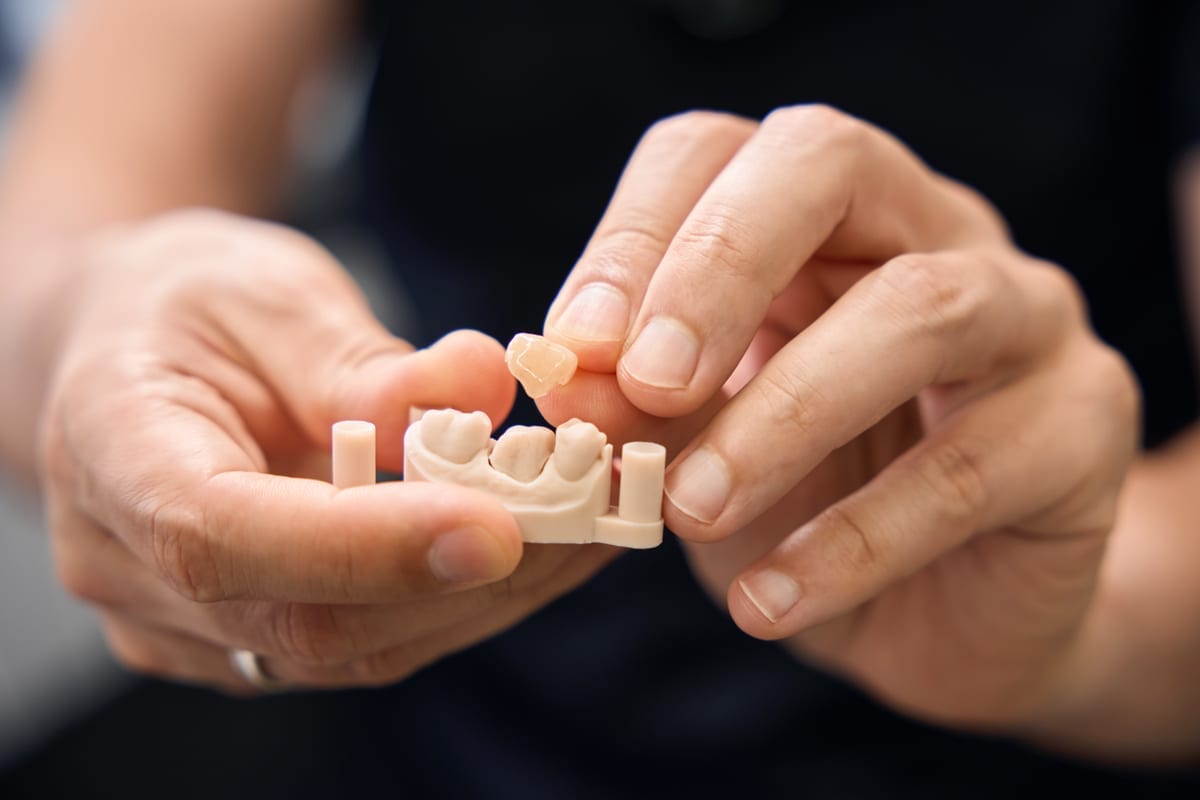
Dental crowns last 15 years or more on average, and many patients keep theirs for 25 to 30 years. The material of your crown plays a major role in its durability. Porcelain-fused-to-metal crowns typically last 10 to 15 years. All-ceramic and zirconia crowns often outlast that estimate significantly.
Your bite mechanics also matter. Patients with a balanced bite distribute chewing forces evenly across the crown. That even pressure reduces stress on the restoration. Lima patients who clench or grind their teeth face a very different reality.
Regular dental visits are one of the strongest predictors of crown longevity. During checkups, Dr. Haley Ciccarelli inspects the crown margins, checks for wear patterns, and looks for early signs of trouble. Catching small issues early prevents bigger, costlier problems later.
What Really Shortens Crown Lifespan for Lima Patients
Several common habits and conditions accelerate crown wear. Understanding them helps you avoid unnecessary damage. Here are the top threats to your crown’s longevity:
- Teeth grinding (bruxism): Grinding exerts extreme pressure on crowns. It chips porcelain and wears down the biting surface faster than normal chewing.
- Clenching: Even without grinding, clenching puts repetitive stress on the crown’s structure over time.
- Chewing hard foods: Ice, hard candies, and popcorn kernels can crack or fracture a crown unexpectedly.
- Poor oral hygiene: Bacteria accumulate at the crown margin where it meets the gum. This leads to decay in the natural tooth underneath.
- Nail biting or chewing on pens: These habits direct force to the same spot repeatedly, accelerating wear.
- Using teeth as tools: Opening packages or bottles with your teeth places stress far beyond normal chewing forces.
Bruxism is especially damaging because it often happens during sleep. Many patients do not realize they grind until Dr. Haley Ciccarelli spots the wear pattern. A custom night guard is often the most effective solution to protect both natural teeth and existing crowns.
Poor oral hygiene is a less obvious but equally serious threat. Even though the crown itself cannot decay, the tooth root beneath it can. Plaque buildup at the gumline leads to cavities in the remaining natural tooth structure. Once that happens, the crown may fail entirely and require replacement.
Signs Your Crown May Need Replacing
Crowns do not last forever. Recognizing the signs early saves you from more extensive treatment. Watch for these warning signals:
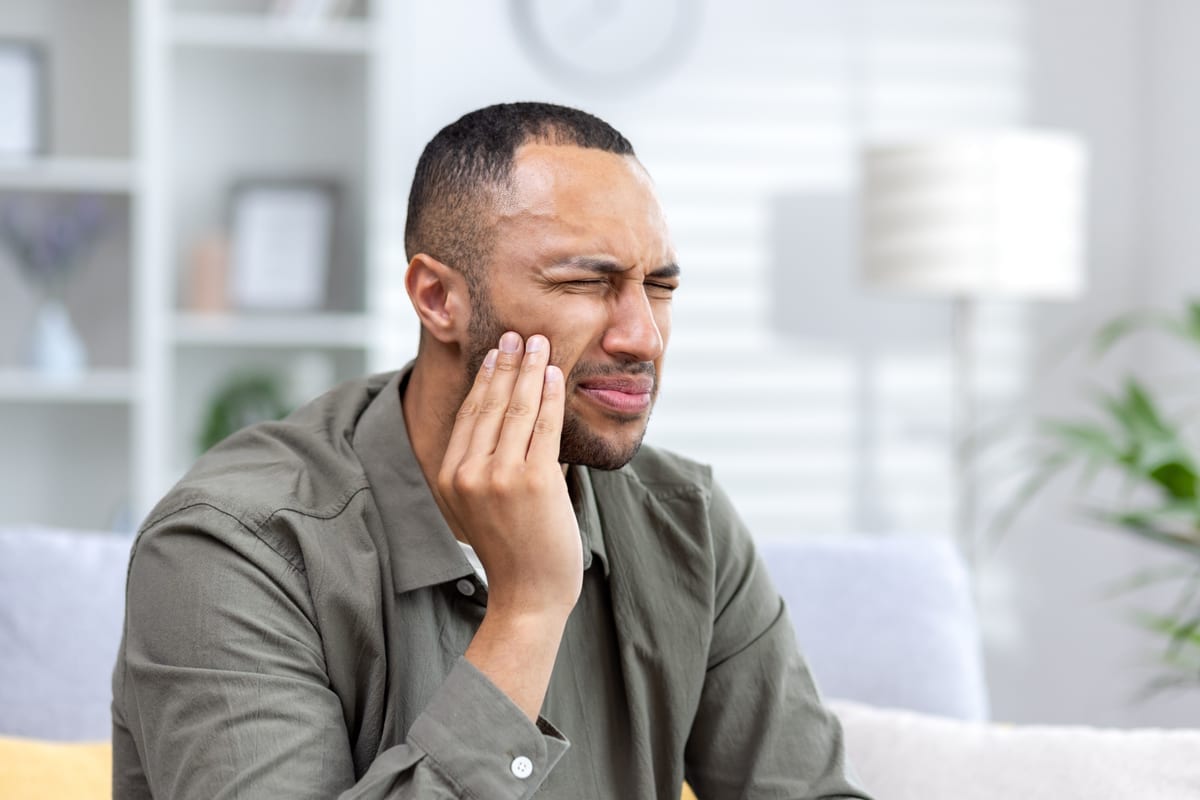
- Sensitivity or pain: A crown that was once comfortable should not suddenly cause pain when you bite or chew.
- Visible cracks or chips: Inspect the crown in a mirror. Any visible fracture is a sign the structure is compromised.
- Dark line at the gumline: This indicates the metal base of an older crown is becoming exposed as gums recede.
- Crown feels loose or wiggly: The cement holding your crown may have washed out. A loose crown needs prompt attention.
- Decay around the crown margin: Your dentist identifies this on X-rays before it becomes a larger problem.
- Chronic bad breath near the crown: This can signal bacterial buildup or decay beneath the restoration.
Some of these signs are easy to miss without a professional eye. That is why routine exams at Media Hometown Dental matter so much. Dr. Haley Ciccarelli uses digital X-rays to evaluate crown margins and the tooth structure below. Early detection is always the better outcome for Lima patients.
How Preventive Dentistry and Family Care Extend Crown Life
Preventive Dentistry is the foundation of long-lasting dental restorations. Professional cleanings remove the hardened tartar that builds up at crown margins. That buildup, if left untreated, leads to gum disease and root decay. Both conditions directly threaten the tooth supporting your crown.
Dr. Haley Ciccarelli recommends visiting the practice every six months for cleanings and exams. These visits allow the team to monitor crown margins closely. If the seal between crown and tooth weakens, the team addresses it before bacteria enter the gap. Consistent care adds years to the life of any restoration.
Families with children benefit from starting good habits early. Teaching kids about oral hygiene protects their natural teeth and any future restorations. At Media Hometown Dental, Pediatric Dentistry services help younger patients build the habits that last a lifetime. Healthy habits formed in childhood carry forward into adulthood.
For Lima patients who grind their teeth, a custom night guard is an essential preventive tool. It cushions the crown against grinding forces during sleep. This single intervention can extend a crown’s life by many years. Ask Dr. Haley Ciccarelli whether a night guard is right for your situation.
What to Do If You Suspect Your Crown Is Failing
Do not wait if you notice any warning signs. A failing crown that goes untreated can lead to tooth loss. The sooner Dr. Haley Ciccarelli evaluates the restoration, the more treatment options remain available. Acting quickly often means saving the underlying tooth.
If a crown falls off completely, keep it safe and contact the practice immediately. Avoid chewing on that side of your mouth. The exposed tooth is vulnerable to fracture and sensitivity until the crown is re-cemented or replaced. Media Hometown Dental also offers Emergency Dentistry services for urgent situations like this.
Replacement crowns benefit from advances in materials and technology. Modern zirconia crowns are stronger and more natural-looking than older options. A replacement crown, properly cared for, can easily last another 15 years or more. Think of it as a fresh investment in your long-term oral health.
Lima patients deserve restorations that stand the test of time. With the right habits and regular professional care, your crown can protect your tooth for decades. Dr. Haley Ciccarelli and the Media Hometown Dental team are here to help every step of the way. Book Now to schedule your appointment with our team.
Frequently Asked Questions
How long do dental crowns typically last?
Dental crowns last 15 years or more on average with proper care. Many patients keep their crowns for 25 to 30 years. Factors like crown material, bite habits, and oral hygiene all influence the final lifespan.
What is the biggest threat to a crown’s longevity?
Teeth grinding, also called bruxism, is one of the most damaging habits for crowns. It places excessive force on the restoration during sleep. A custom night guard from Dr. Haley Ciccarelli can protect your crown from this type of wear.
Can the tooth under a crown still get a cavity?
Yes. The crown itself cannot decay, but the natural tooth root beneath it can. Bacteria at the crown margin can cause decay in the remaining tooth structure. This is why good oral hygiene and regular cleanings are essential even after a crown is placed.
How do I know if my crown needs to be replaced?
Common signs include pain when biting, a loose or wobbly feeling, visible cracks, and a dark line appearing at the gumline. Your dentist can also spot decay under the crown on digital X-rays before you notice symptoms yourself.
Does a replacement crown last as long as the original?
Yes, and it may last even longer. Modern crown materials like zirconia are extremely durable and natural-looking. With proper care and regular dental visits, a replacement crown can easily last 15 years or more for Lima patients.