


Achieving a perfect smile is a common dental goal, but many wonder whether veneers can straighten teeth as effectively as braces. Straight teeth are not just about aesthetics. They are necessary to keep your teeth healthy. Misaligned teeth can lead to issues like tooth decay, gum disease, and jaw discomfort.
While braces have long been the standard solution for correcting alignment, veneers offer a quicker, less invasive alternative.
But do veneers actually straighten teeth, or do they simply improve appearance? This blog explores the differences between veneers and braces, helping you decide which option suits your needs.
Understanding Veneers
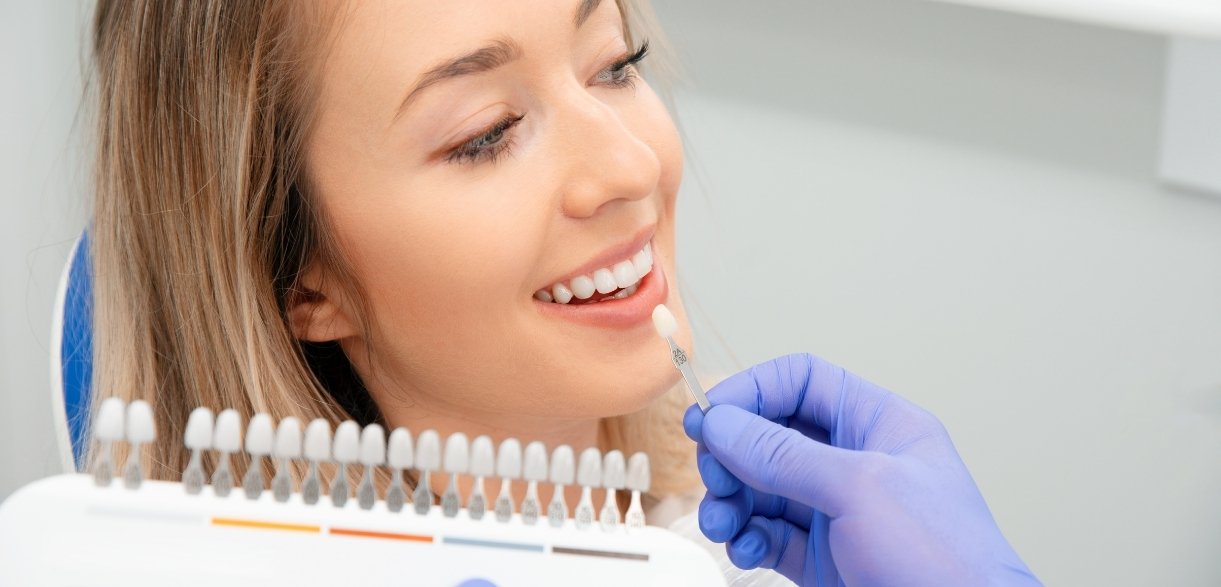
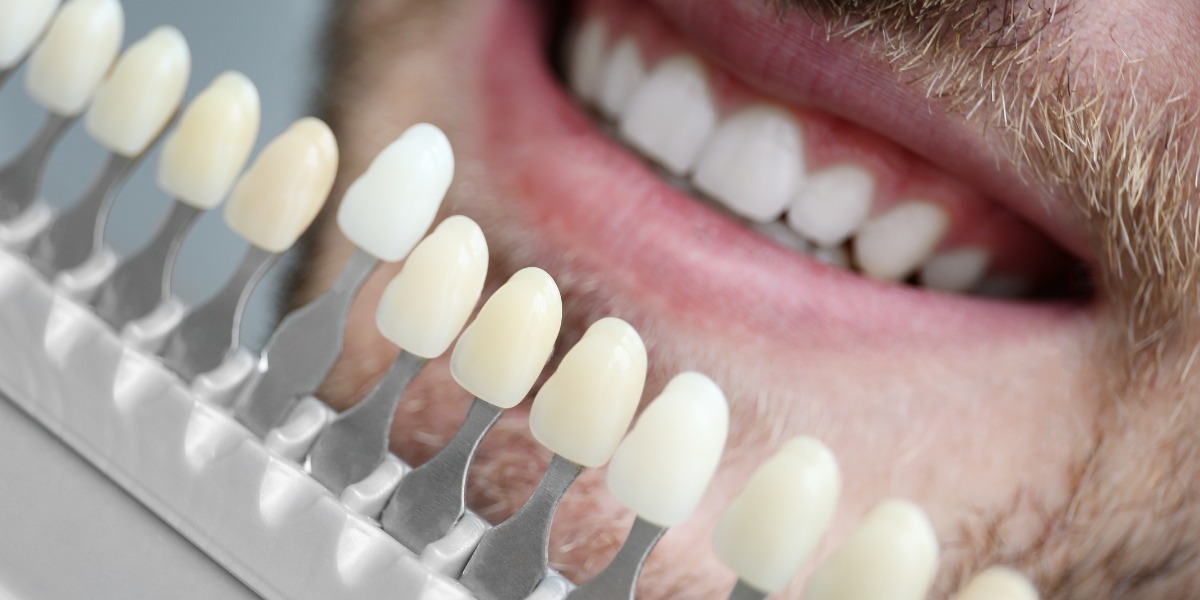
Veneers are thin, precisely crafted shells that are used to cover teeth’s front surfaces. Veneers, which are usually made of porcelain or composite resin, are attached to your teeth to improve their appearance right away. They are often chosen by those looking to fix imperfections such as chips, cracks, stains, or small gaps between teeth.
Because of their natural appearance and longevity, porcelain veneers are very well-liked. They are a great alternative for a long-lasting smile makeover because they are stain-resistant and closely resemble natural teeth in terms of light reflection.
Composite resin veneers, on the other hand, are a more affordable alternative. They are made from a tooth-colored resin applied directly to the teeth and shaped during the procedure. Composite veneers can nonetheless significantly improve aesthetics even though they are not as strong as porcelain. They are also easier to repair if damaged.
The primary purpose of veneers is cosmetic. They can transform the look of your teeth in just a few visits to the dentist. Whether you are dealing with discoloration, slight misalignment, or other minor issues, veneers can provide a quick fix, giving the appearance of a flawless smile.
How Do Braces Work?
Mechanism:
Braces function by gradually providing constant pressure on your teeth. The teeth are eventually moved into their proper locations by this pressure. The system typically involves brackets, wires, and elastic bands.
The brackets are bonded to each tooth, and the wire connects them. As the wire is adjusted periodically, it gently guides the teeth to move into alignment. This process can correct various dental issues, from crowding and gaps to bite problems.
Types of Braces:
There are several types of braces available today:
- Traditional Metal Braces: These braces are the most widely used kind. They are strong and efficient at readjusting even the most severe misalignments because they are made of premium stainless steel. They are still visible, but thanks to improvements, they are now smaller and less conspicuous than they formerly were.
- Ceramic Braces: Ceramic braces work similarly to regular braces, using brackets that match your teeth in color or transparency. They are a popular choice for those seeking a less noticeable option. However, they are slightly more fragile than metal braces and may require more careful maintenance.
- Lingual Braces: Since they are affixed to the rear of your teeth, the front cannot see them. While they offer a discreet solution, they can be more uncomfortable initially and are usually more expensive due to the custom work involved.
- Clear Aligners (e.g., Invisalign): Clear aligners are a modern alternative to braces. They are comprised of several removable trays that are custom-made to progressively move your teeth into position. They are a convenient solution for adults and teens because they are almost unnoticeable and can be taken off for eating and brushing. However, they may not be suitable for more complex dental issues.
Timeframe and Effectiveness:
The time required for braces to straighten teeth varies based on the complexity of the case. Braces treatment might take anywhere from 18 months to 3 years on average. The process requires regular adjustments by an orthodontist to ensure the teeth are moving correctly. Braces are highly effective at treating a wide range of dental problems, including:
- Crowded Teeth: Braces can create space by moving teeth into proper alignment, preventing overcrowding.
- Gaps: Braces close gaps between teeth by shifting them closer together.
- Bite Issues: Braces can enhance your bite whether you have an underbite, overbite, or crossbite by realigning your teeth.
- Jaw Alignment: Braces can also help correct jaw alignment issues that may cause discomfort or problems with chewing.
Can Veneers Straighten Teeth?
Address the Myth:
Veneers are often thought of as a quick fix for crooked teeth, but they do not actually straighten teeth in the way braces do. Veneers work by covering the front surface of the teeth, creating the appearance of a straight, even smile.
However, they do not move the teeth or correct alignment issues. This means that while veneers can make your teeth look straight, they won’t fix underlying problems like crowding, gaps, or bite misalignments.
When Veneers Might Be an Option?
Veneers might be a good option if your teeth are only slightly misaligned or if you’re primarily concerned with the cosmetic appearance of your smile.
For example, if you have a small gap between your front teeth or a tooth that is slightly turned, veneers can provide a quick and effective cosmetic solution. They are also a good option for those who want to avoid the time and commitment required by braces. Veneers can be applied in just a few visits, offering a nearly instant transformation.
However, it is important to remember that veneers do not address the root cause of misalignment. They are best suited for minor issues and those primarily concerned with aesthetics rather than correcting dental structure.
Straightening your teeth is not just about achieving a beautiful smile; it is also about maintaining good oral health. Veneers and braces both offer solutions for different dental concerns, but they work in very different ways.
Veneers provide a quick cosmetic fix, perfect for minor imperfections. Braces, on the other hand, address the underlying structure of your teeth, offering a long-term solution for alignment issues. If you are considering either option, it is crucial to consult with a dentist or orthodontist to determine the best approach for your needs.
By making an informed decision, you can achieve the healthy, confident smile you’ve always wanted.