
Many parents in Media, PA wonder whether their child’s teeth are developing correctly. Is your child ready for orthodontics? Signs parents often miss in Media can be subtle — but catching them early makes a real difference. At Media Hometown Dental, Dr. Letitia helps families understand orthodontic timing before small concerns become bigger problems. This guide will walk you through what to look for and when to act.
Why Orthodontic Timing Matters for Kids in Media, PA
Most parents wait until their child’s teeth look obviously crooked before seeking help. But orthodontic experts recommend evaluations much earlier. The American Association of Orthodontists suggests a first screening by age 7. At this age, a dentist can spot developing issues while the jaw is still growing.
Early treatment — called Phase 1 — uses that growth window to your child’s advantage. It can guide jaw development, create space for adult teeth, and reduce the need for complex treatment later. Waiting too long can mean fewer options and longer treatment times. Acting early often means simpler, shorter interventions.
In Media, families often assume orthodontic concerns can wait until all adult teeth arrive. That assumption can delay care by several critical years. Jaw bones are most moldable before the early teen years. This is precisely why timing matters so much.
Signs Parents Often Miss — What to Watch for at Home
You don’t need to be a dental professional to spot early orthodontic warning signs. Many red flags are visible during everyday moments like meals or bedtime routines. Knowing what to look for helps you bring useful observations to your next dental visit. Here are key signs that may indicate your child needs an orthodontic evaluation:
- Difficulty chewing or biting food comfortably
- Mouth breathing, especially during sleep
- Early or late loss of baby teeth (outside the typical age range)
- Crowded, overlapping, or crooked teeth
- Thumb-sucking or pacifier use beyond age 4
- Jaws that shift, click, or make noise when moving
- Teeth that don’t meet properly when the mouth closes
- Frequent biting of the cheek or roof of the mouth
These signs don’t always mean your child needs braces right away. But they do signal that an evaluation is worthwhile. Dr. Letitia can assess whether any of these patterns are affecting your child’s development. Early detection leads to better outcomes in most cases.
What a Phase 1 Orthodontic Evaluation Actually Involves
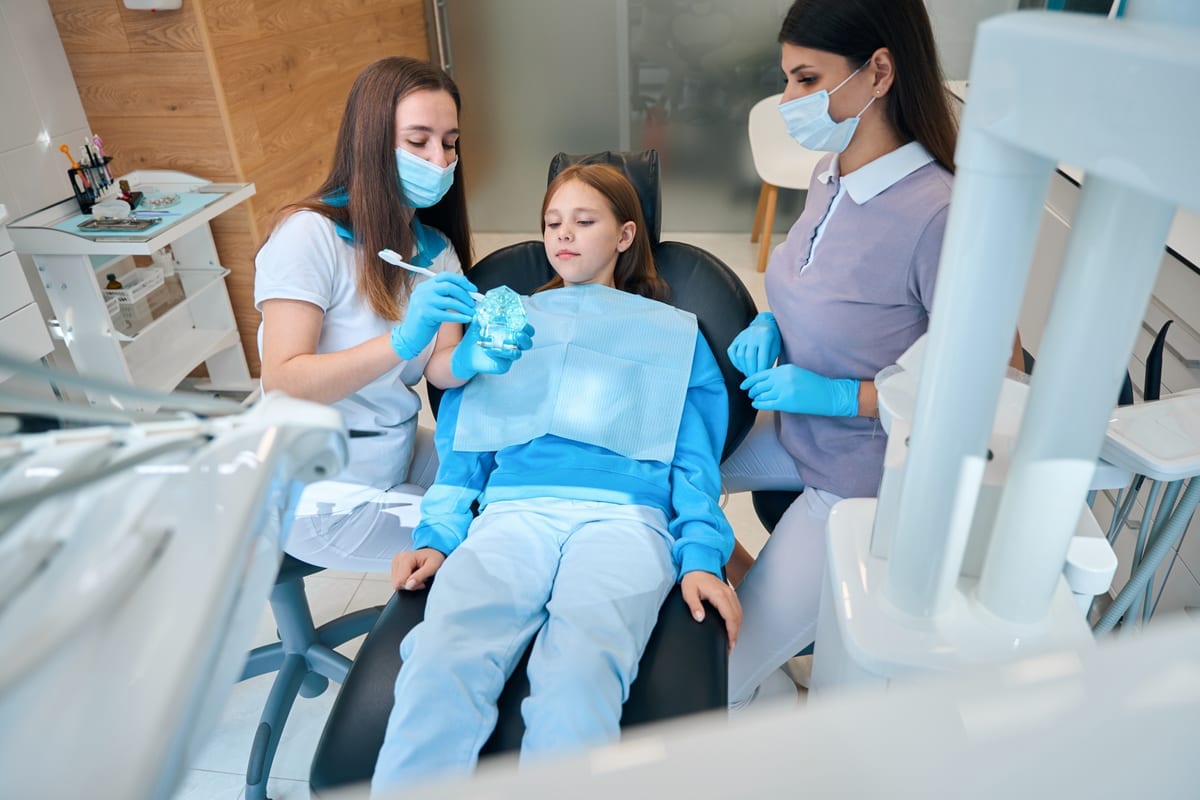
A Phase 1 evaluation is a targeted assessment for younger children — typically between ages 6 and 10. It focuses on jaw structure, bite alignment, and how adult teeth are developing beneath the gums. This evaluation does not automatically mean your child will start treatment. It simply gives you a clear picture of what is happening and what, if anything, needs attention.
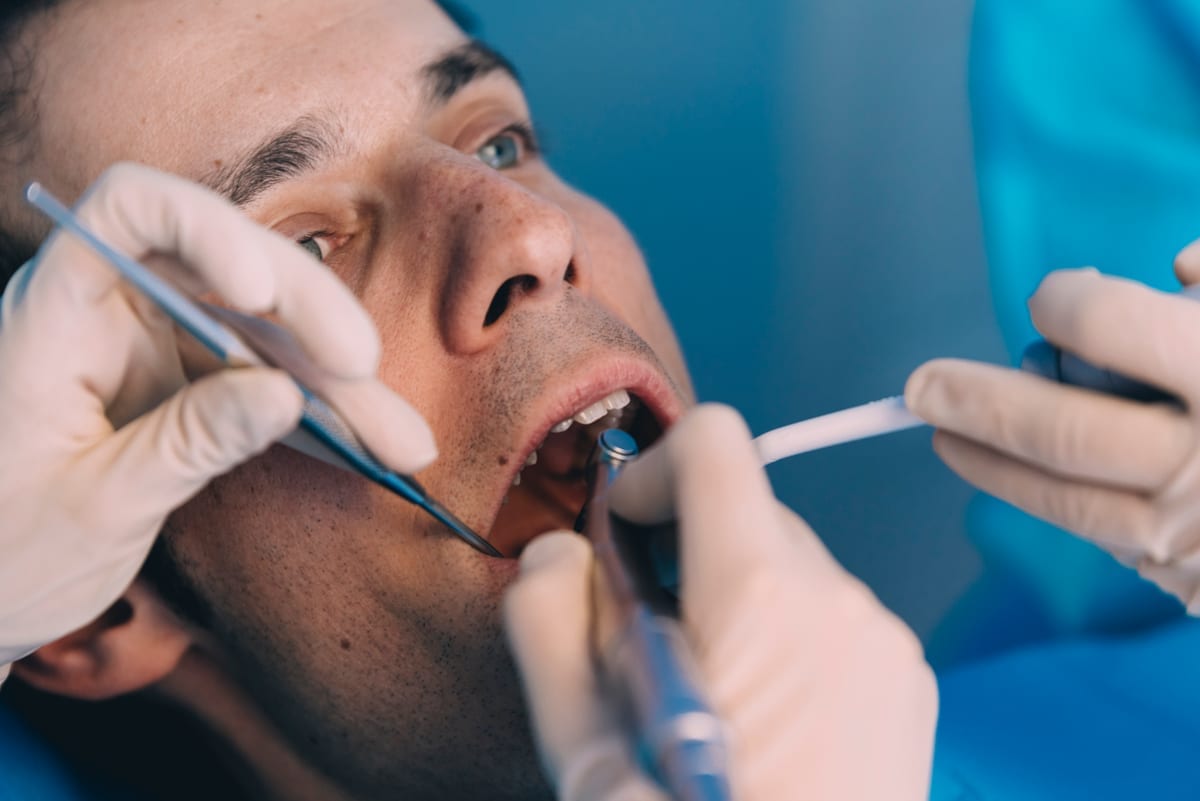
During the evaluation, the dentist may take X-rays to view teeth that haven’t yet erupted. They will examine the bite from multiple angles and assess jaw symmetry. They’ll also ask about habits like thumb-sucking or bottle use. All of this informs a personalized recommendation for your child.
If early treatment is recommended, common Phase 1 options include palate expanders, space maintainers, or partial braces. These tools guide the jaw and teeth into better positions during the growth phase. Phase 1 treatment typically lasts 9 to 18 months. A second phase — usually traditional braces or clear aligners — may follow later if needed.
Not every child requires Phase 1 treatment. Some children benefit most from careful monitoring until they are ready for comprehensive orthodontics. The goal is always to choose the right intervention at the right time — not to rush treatment unnecessarily.
How Preventive and Cosmetic Dental Care Connect to Orthodontic Health
Orthodontic readiness doesn’t exist in isolation. It connects directly to your child’s overall oral health. Healthy teeth and gums create the foundation for successful orthodontic treatment. That’s why Preventive Dentistry Media plays such an important role before and during any orthodontic journey.
Cavities, gum inflammation, and poor oral hygiene can complicate or delay orthodontic treatment. Addressing these issues early means your child enters treatment with healthier teeth. Regular cleanings and checkups also allow Dr. Letitia to monitor growth patterns over time. This continuity of care helps catch changes before they escalate.
For older teens and adults, orthodontic treatment often ties into smile aesthetics as well. Straight teeth support better oral hygiene, reduce wear, and enhance confidence. Many patients who complete orthodontic care later explore Cosmetic Dentistry Media options to perfect their final results. Veneers, whitening, and other cosmetic services can complement a newly aligned smile beautifully.
What Parents in Media, PA Should Do Next
Start by scheduling a general dental checkup if your child hasn’t had one recently. Mention any of the warning signs you’ve noticed — even if they seem minor. Dr. Letitia will evaluate your child’s teeth and bite as part of a comprehensive exam. She can then advise whether an orthodontic referral or closer monitoring makes sense.
Here is a simple action plan for parents in Media:
- Book a dental visit if your child is age 6 or older and hasn’t had a recent exam.
- Make notes about any habits or symptoms you’ve observed at home.
- Ask Dr. Letitia specifically about bite development and jaw alignment at the appointment.
- Follow up consistently — orthodontic readiness can change quickly during growth spurts.
You don’t need to figure this out alone. Media Hometown Dental is here to guide your family through every stage of your child’s dental development. The earlier you start the conversation, the more options you’ll have. Proactive care almost always leads to better outcomes for kids.
Understanding the signs parents often miss in Media means you’re already one step ahead. Early orthodontic awareness is one of the most impactful things you can do for your child’s long-term oral health. Dr. Letitia and the team at Media Hometown Dental are ready to help your family with compassionate, expert guidance. Book Now to schedule your appointment with our team.
Frequently Asked Questions
At what age should my child first see an orthodontist?
Most dental professionals recommend an initial orthodontic screening by age 7. At this age, the jaw is still developing, and early issues can often be addressed more easily. This doesn’t mean treatment will start right away — it simply allows for informed monitoring and timely action when needed.
What is Phase 1 orthodontic treatment?
Phase 1 is early orthodontic intervention for children typically between ages 6 and 10. It uses the child’s active growth phase to guide jaw development and create space for incoming adult teeth. Common tools include palate expanders and space maintainers. It is designed to reduce the complexity of any treatment needed later.
Can my regular dentist evaluate my child’s orthodontic readiness?
Yes, your general dentist plays an important role in orthodontic monitoring. At Media Hometown Dental, Dr. Letitia assesses bite alignment, jaw development, and tooth eruption patterns during routine exams. She can identify early warning signs and refer you to an orthodontist when appropriate. Keeping up with regular dental visits is the first step.
What happens if we wait too long to address orthodontic issues?
Delaying evaluation can allow bite problems or crowding to worsen during peak growth years. Once the jaw finishes developing, fewer non-surgical options are available. Early intervention often results in shorter, less involved treatment overall. Acting during the growth window gives your child the greatest advantage.
Does my child definitely need braces if I notice these signs?
Not necessarily. Many of the signs mentioned in this article simply indicate that an evaluation is worthwhile. Some children are monitored over time before any active treatment begins. Others may benefit from simple early devices. The goal is always to make the right recommendation for your individual child — not to apply a one-size-fits-all solution.