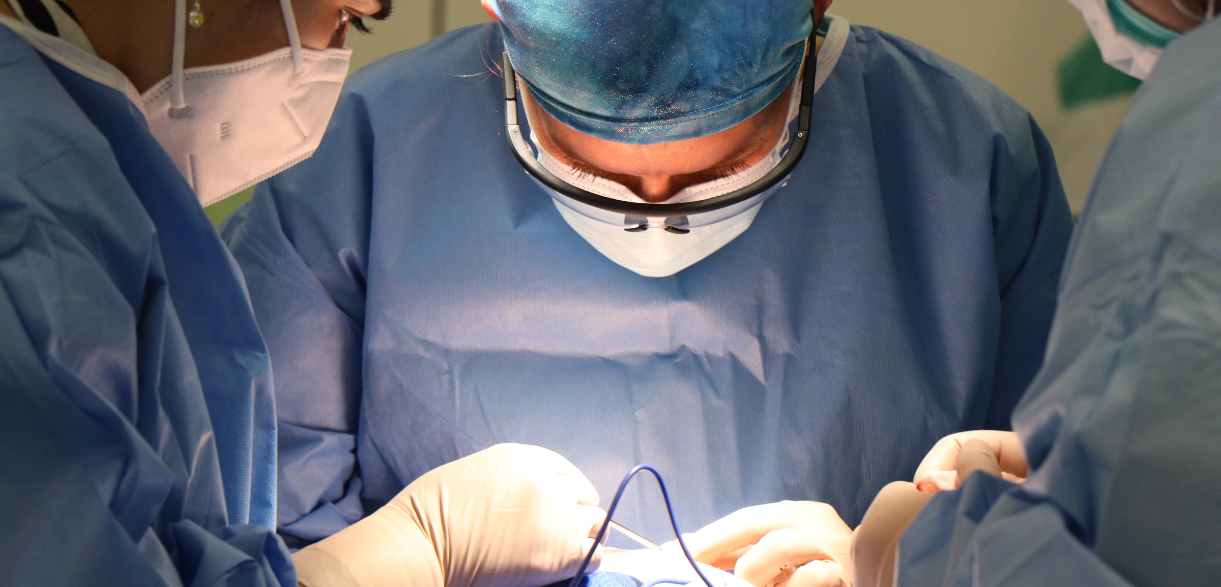



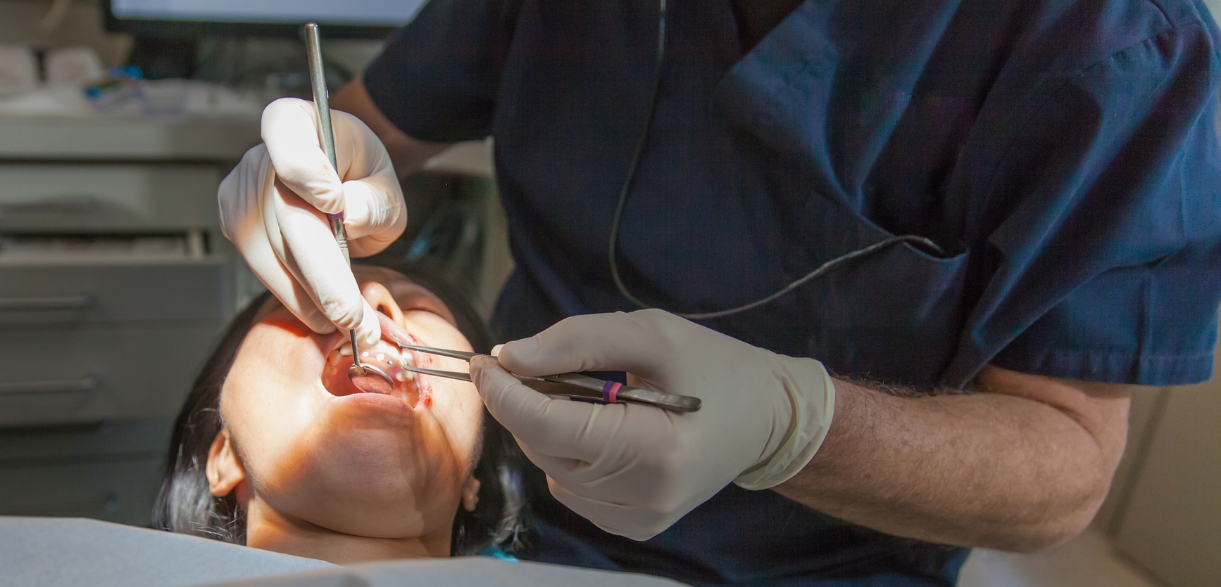
Quite often, people can only relate to oral surgery due to dealing with cosmetic concerns. Oral surgeries may be necessary for people to preserve their overall health. There are several differences between optional surgery and essential surgery. Understanding the differences between the two approaches will enable you to make a more informed decision. More serious dental concerns require medically necessary oral surgery. It includes tumors in the mouth, impacted teeth, infections, and jaw misalignment. Under such circumstances, the dentist’s priority is to restore functionality, eliminate pain, and prevent further damage rather than enhancing one’s smile. In this blog, we will explore the various aspects of medically necessary oral surgery.
What Exactly is Medically Necessary Oral Surgery?
Any oral surgery that is conducted without a primary motive of enhancing facial aesthetics qualifies as medically necessary oral surgery in Media. This surgery is generally undertaken to prevent, treat, and diagnose serious health issues. It can significantly help you eliminate any difficulties you face while trying to eat, chew, or speak. Do you know this procedure also helps prevent the spread of infections at times? The type of surgery you undergo can affect your insurance coverage, which your healthcare provider typically determines. Proper knowledge will help you easily distinguish between cosmetic enhancements and emergency treatments.
Standard Medically Necessary Oral Procedures
Several surgeries fall under this category. You may have heard about the wisdom teeth removal procedure; it is the most common oral surgery procedure in this category. Need for tooth extraction due to severe infections and decay is also a necessary procedure. Treating TMJ disorders also requires surgery, and it is not an option but a necessity. The requirement of an oral surgery to remove tumors, cysts, and lesions also falls under this category. Bone grafting is also a medically necessary oral surgical procedure.
Medical Vs Cosmetic: Key Differences
Understanding the differences will help you determine the urgency of oral surgery and deal with insurance coverage more effectively. Cosmetic surgeries are generally conducted to improve the facial appearance, although they can slightly restore functionality. Medically necessary oral surgeries are undertaken to eliminate health-related concerns. Always remember that urgency is generally associated with medically essential surgery; don’t wait till your problem worsens. To make things easy, any surgery that can eliminate your pain, treat disease, and restore oral functionalities is medically necessary oral surgery.
Insurance Coverage and Documentation
Many dental and medical insurance plans cover medically necessary oral surgeries; however, proper documentation is crucial. Check out the things that dentists and oral surgeons generally send to the insurance providers:
- Diagnostic reports
- X-rays or imaging
- A treatment plan with clear medical justification
- Proof of how the issue affects daily life or health
In some cases, coordination between your dentist, oral surgeon, and primary care doctor may be necessary to ensure your procedure qualifies for insurance approval. Always check with your insurance provider before scheduling surgery to confirm coverage.
Why Early Evaluation Matters
Catching oral health issues early can prevent the need for more complex and invasive surgeries later on. Regular dental visits, x-rays, and consultations can identify conditions like impacted teeth, jaw problems, or signs of oral cancer before they escalate. If you’re experiencing persistent pain, swelling, difficulty chewing, or other dental-related symptoms, don’t wait. Early intervention could mean a more straightforward procedure, faster recovery, and better chances of insurance coverage.
Why is Medically Necessary Oral Surgery Vital?
Medically necessary oral surgery is about more than just oral health—it’s often crucial for your overall well-being. From preventing infections to correcting jaw alignment, these procedures help improve the quality of life and restore function. Understanding what qualifies as medically necessary can help you advocate for proper care and avoid unnecessary out-of-pocket costs. Consult a licensed oral surgeon today, even if you have the slightest doubt.