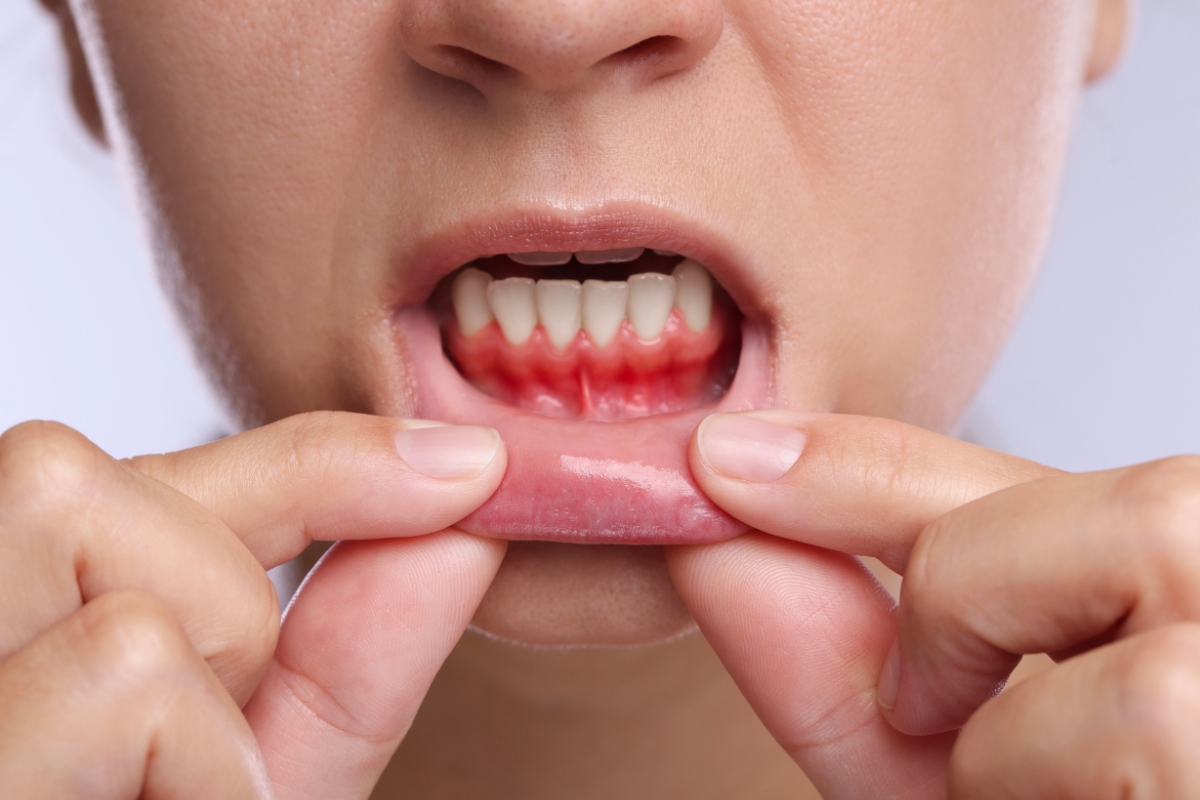




Cold and flu season can bring added challenges to your child’s oral health. When kids feel sick, habits like mouth breathing, reduced water intake, and sugary medications can lead to dental issues. Mouth breathing dries the mouth, while many cold medicines contain sugar that lingers on teeth, increasing the risk of cavities.
In addition, vomiting due to flu or fever can bring acidic erosion, which is harmful to enamel. During this time, it is crucial to maintain your child’s dental care routine. Even when they are unwell, consistent oral hygiene helps keep their teeth healthy and strong through the season.
Understanding the Connection Between Illness and Oral Health
How Illness Affects Oral Health?
Illnesses like colds and flu can weaken a child’s oral health in unexpected ways. Symptoms such as fever, sore throat, and congestion often lead to mouth breathing, which reduces saliva flow. Saliva helps wash away bacteria, so less of it means more risk for plaque buildup and cavities. In addition, cold and flu symptoms can discourage kids from drinking water, worsening dehydration and leading to dry mouth.
Medications used to treat cold and flu symptoms can also impact oral health. Many over-the-counter syrups and throat lozenges contain sugar, which clings to teeth and creates an environment where cavity-causing bacteria can thrive.
Some children may also experience nausea or vomiting, which brings stomach acid into the mouth, putting enamel at risk. Without a proper rinse after vomiting, the acid can soften the enamel, making it vulnerable to decay.
Risks to Watch Out For
Several risks are more common during cold and flu season, including:
- Dry Mouth: Mouth breathing or lack of hydration reduces saliva, leading to dry mouth and increased cavity risk.
- Sugary Medications: Over-the-counter syrups and lozenges can expose teeth to sugar, promoting cavity-causing bacteria.
- Acid Erosion from Vomiting: Stomach acid brought up during vomiting can erode enamel, weakening teeth and increasing the chance of decay.
By understanding these risks, parents can take preventive steps to support their child’s oral health throughout cold and flu season.
Dental Care Tips During Cold and Flu Season
Tip 1: Choose Sugar-Free Medicines When Possible
Opt for sugar-free cold medicines whenever possible. Many cough syrups contain sugar to improve the taste, but this sugar can cling to teeth and increase the risk of decay. After giving any medicine, encourage your child to rinse their mouth with water if brushing is an option, even better, as it will reduce sugar and acid lingering on their teeth.
Tip 2: Encourage Hydration
Drinking water keeps the mouth hydrated, which helps produce saliva to rinse away bacteria. Hydration is especially important during a cold or flu, when kids are more likely to experience dry mouth.
Try to make drinking water more appealing with a fun water bottle or by infusing it with slices of fruit. Staying hydrated helps with dental health and supports overall recovery from illness.
Tip 3: Maintain Consistent Brushing and Flossing Habits
Even when kids are unwell, it’s essential to stick to regular brushing and flossing routines. Brushing twice daily and flossing once can significantly reduce cavity risk.
Use a soft-bristled toothbrush, which can feel more gentle on sensitive mouths, especially when they have a sore throat. Consider setting a reminder or brushing along with your child to help them stay motivated even when they’re feeling under the weather.
Tip 4: Use Warm Saltwater Rinses for Comfort
A warm salt water rinse can be a simple yet effective way to soothe a sore throat and maintain oral hygiene. Saltwater helps reduce bacteria in the mouth and can relieve throat discomfort. To make a saltwater rinse, dissolve half a teaspoon of salt in a cup of warm water.
Have your child swish the rinse for 30 seconds, then spit it out. Repeat this once or twice daily as needed for comfort.
Tip 5: Keep Their Toothbrush Clean and Replace it After Illness
Bacteria from cold and flu can linger on toothbrushes, so keeping them clean is essential. After brushing, rinse the toothbrush thoroughly and let it air dry.
Once your child recovers, replace their toothbrush or toothbrush head to prevent reinfection. This simple step can protect their health and reduce the spread of germs.
Dealing with Common Challenges
When Kids Don’t Feel Like Brushing?
When children feel sick, brushing may be the last thing on their minds. Make it more enjoyable by adding a bit of fun! Play their favorite song as a two-minute timer or offer a small reward afterward, like a sticker.
You can also brush your teeth together to encourage them to keep up the habit, even when they’re not feeling their best.
Managing Dry Mouth or Coughing
A dry mouth can lead to discomfort and cavities, so encourage hydration. Sugar-free lozenges can also help stimulate saliva production, which helps keep the mouth clean. For a natural approach, chewing sugar-free gum can also promote saliva flow.
Additionally, remind kids to take small sips of water throughout the day, which will help with both dry mouth and coughing.
Signs to Watch for After Illness
Once your child recovers from a cold or flu, keep an eye on their oral health. Certain signs may indicate a need for a dental check-up, including:
- Increased Sensitivity: If your child mentions sensitivity to hot or cold foods, it may indicate weakened enamel.
- Visible Signs of Decay: Look for any dark spots on the teeth, which could mean early decay due to sugar exposure during illness.
- Mouth Discomfort: Lingering soreness or discomfort in the mouth, even after recovery, can be a reason to see the dentist. This could point to gum irritation, cavities, or enamel erosion.
By watching for these signs, parents can address potential dental issues early and protect their child’s smile.
Maintaining oral health during cold and flu season is essential. Good dental care can prevent decay and keep your child’s teeth strong, even when they’re sick. Small habits, like choosing sugar-free medicine and staying hydrated, make a big difference.
Encourage regular brushing, gentle saltwater rinses, and clean toothbrushes to reduce germs and protect teeth. These steps will support your child’s dental health and set the foundation for lifelong healthy habits.