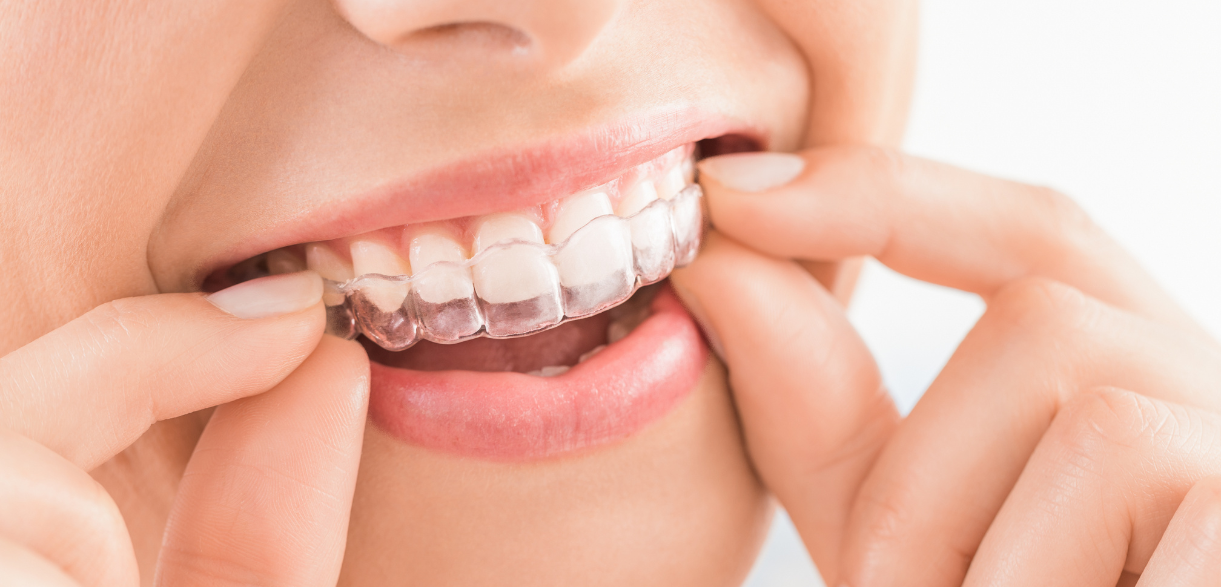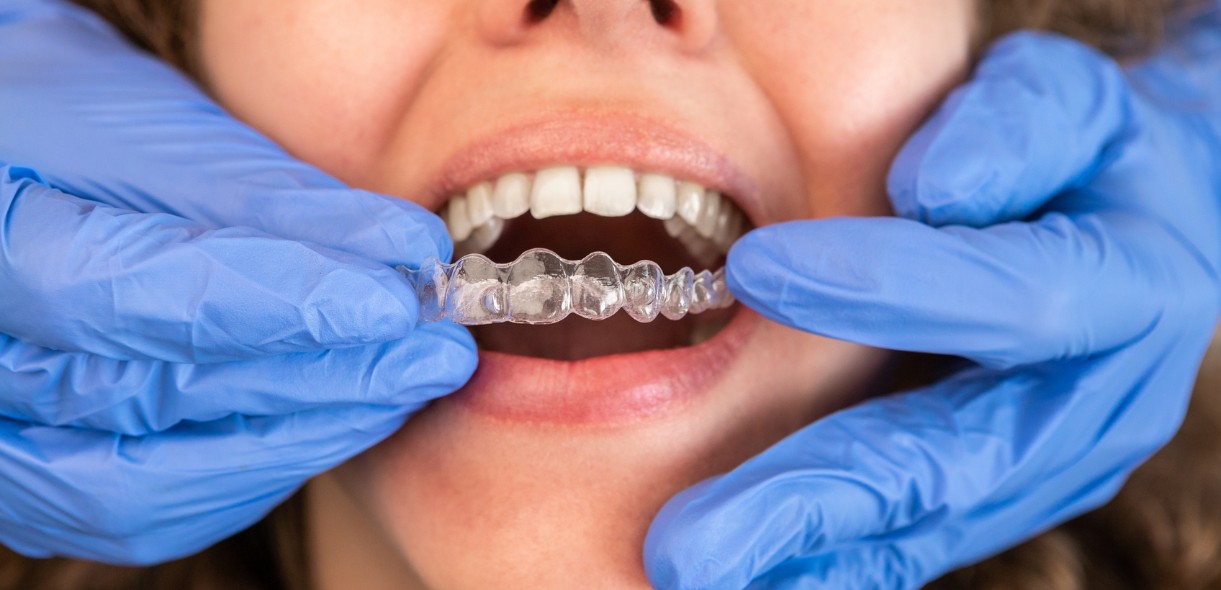



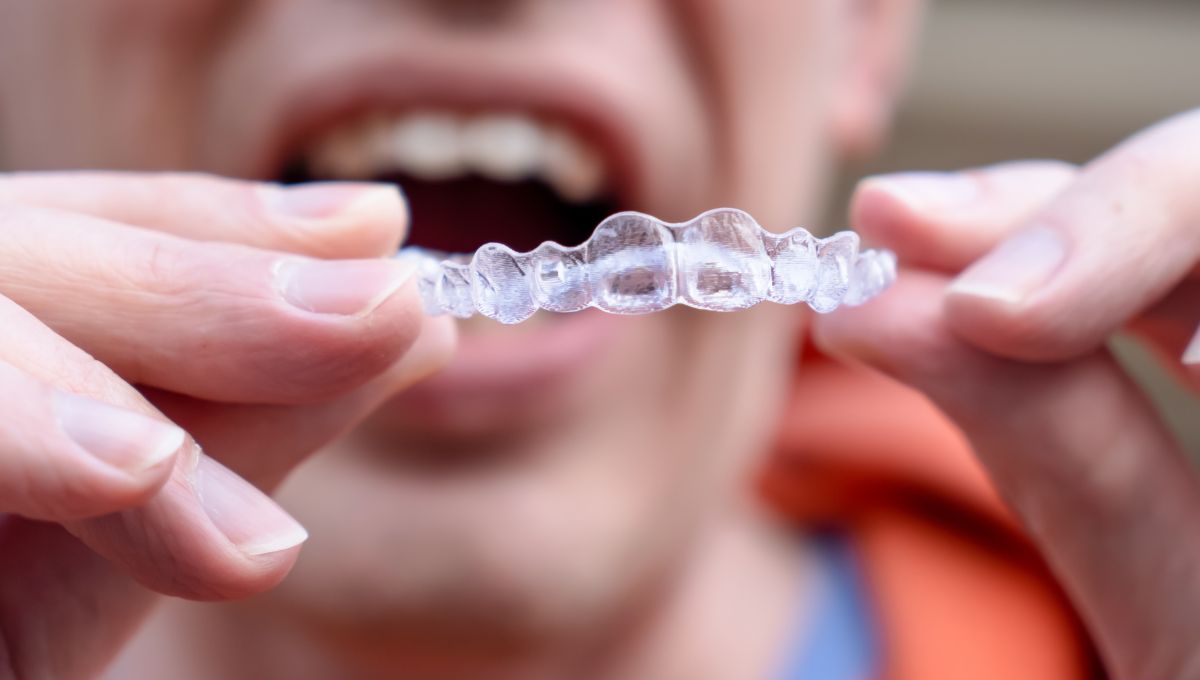
Straightening your teeth used to mean one thing: metal brackets and wires for a year or two, followed by a retainer you’d promptly lose under the couch. That picture has changed dramatically. Clear aligner therapy has become the dominant orthodontic choice for both teens and adults across the country, and the reasons go well beyond the obvious appeal of not wearing a mouth full of hardware.
Invisalign, the most clinically established clear aligner system available, has treated over 14 million patients worldwide since its introduction in 1998. That number keeps growing, not because of marketing, but because the system genuinely works for a wide range of orthodontic cases, fits naturally into different lifestyles, and consistently delivers results that patients feel confident about. This blog looks at what makes it such a consistent choice and why it resonates equally with high school students and working professionals.
The Appeal of Clear Aligners: More Than Just Aesthetics
Most people’s primary reason for considering Invisalign is appearance. The trays are nearly invisible, which removes the self-consciousness that metal braces can bring, especially in professional settings or social situations where you’d rather not have your orthodontic treatment be the first thing someone notices. That’s a real and valid reason. But it’s usually not the reason people stick with it.
Patients who come in for Invisalign in Media at Media Hometown Dental regularly mention that the lifestyle flexibility is what they value most once treatment begins. The trays come out for meals, meaning no dietary restrictions. They come out for team photos, important presentations, or wedding days. And cleaning your teeth doesn’t require threading floss around wires. The day-to-day experience of orthodontic treatment feels fundamentally different.
Why Teens Respond Well to Invisalign
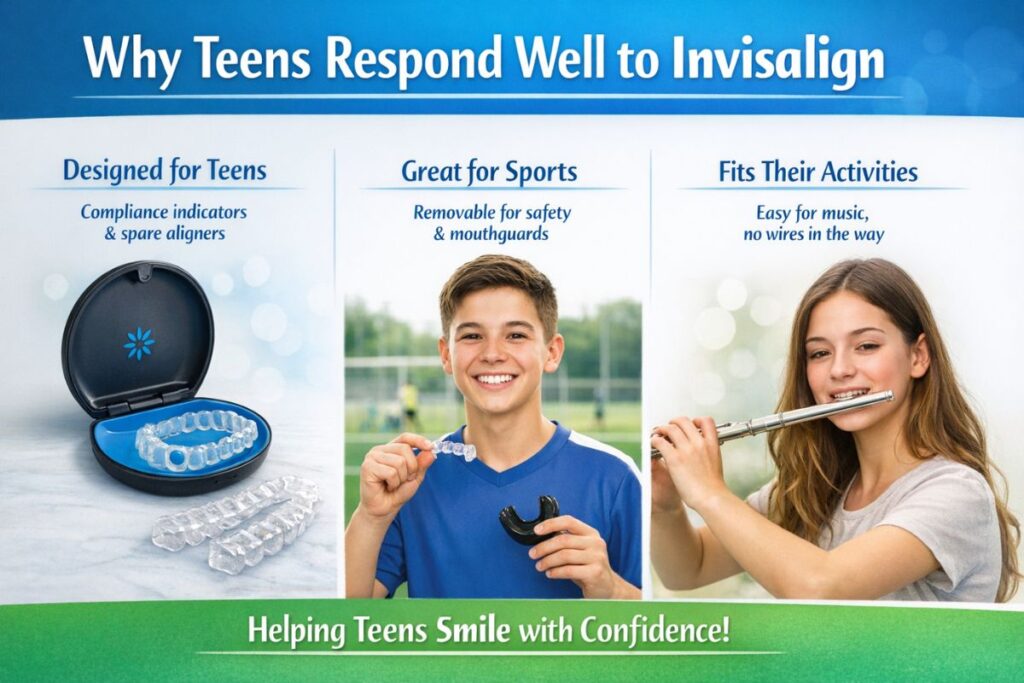
Adolescence is a period where self-image matters enormously, and peer perception shapes daily experience in ways adults may not understand. Asking a teenager to spend their high school years with a mouth full of metal brackets is a harder sell than it once was, and the outcomes from clear aligner therapy are now comparable for the majority of teen cases that don’t involve severe skeletal discrepancies.
Invisalign Teen: Built with Adolescent Patients in Mind
Align Technology developed Invisalign Teen specifically to address the realities of treating adolescents. The aligners include compliance indicators, which are small blue dots that fade with wear, giving parents and dentists a visual confirmation that the trays are actually being worn. They also come with replacement aligners included for each stage of treatment, accounting for the real-world likelihood that a teenager will misplace a tray at some point.
Sports, Instruments, and Social Life
For teens involved in contact sports, clear aligners present a meaningful safety advantage. Traditional braces can cause lacerations to the inside of the mouth during contact, while Invisalign trays are simply removed before practice or removed and replaced with a mouthguard. Similarly, teenagers who play wind or brass instruments find that Invisalign disrupts their embouchure far less than metal brackets and wires would. These are practical details that matter to active, involved teenagers and their parents.
Why Adults Choose Invisalign Over Traditional Braces
The number of adults seeking orthodontic treatment has grown steadily over the past two decades. According to the American Association of Orthodontists, adults now make up roughly one in three orthodontic patients in the United States. Many of these patients request clear aligner treatment because the alternative, wearing traditional metal braces as a professional adult, feels incompatible with their career or personal circumstances.
Discretion in the Workplace
Adults in client-facing roles, healthcare, law, education, and countless other fields often express concern about the perception of wearing braces at work. Invisalign’s near-invisibility solves that problem practically. Most patients report that colleagues and clients don’t notice the aligners unless they’re told. That quiet confidence matters to adults who want to improve their smile without drawing attention to the process.
No Food Restrictions
Adults who enjoy dining out, cooking, or simply having a normal relationship with food find the removability of Invisalign a significant quality-of-life upgrade over fixed braces. The list of foods restricted by traditional braces, crunchy vegetables, hard bread, nuts, popcorn, and most chewy foods, feels like a genuine imposition for adults managing social and professional commitments around meals. Invisalign has no such list.
Oral Hygiene Is Simpler
Adults with existing dental work, including crowns, veneers, or bridges, are particularly well-served by a removable orthodontic system. Cleaning around brackets and wires when you have complex restorations is difficult and increases the risk of plaque accumulation. With Invisalign, you remove the tray, brush and floss exactly as you normally would, and reinsert. Gum health and hygiene are far easier to maintain throughout the treatment period.
A consultation at Media Hometown Dental starts with an honest conversation about your teeth, your goals, your lifestyle, and whether clear aligner therapy is the right fit for your situation. Not every case is a good candidate, and we’ll tell you that plainly if it’s the case. But for the vast majority of patients who inquire, it is a genuine option.
Book your appointment today. Our team is here to walk you through exactly what treatment would look like for your oral health and timeline, so you can make a decision that feels right for you.
FAQs
How many hours a day do you need to wear Invisalign?
Invisalign aligners need to be worn for 20 to 22 hours per day to stay on track with your treatment plan. The two to four hours outside the trays account for meals, brushing, and flossing. Wearing the trays for fewer hours than recommended slows tooth movement and can extend your overall treatment timeline or reduce the accuracy of your final result.
Can Invisalign fix severe bite problems?
Invisalign has expanded its ability to treat more complex cases over time, including moderate overbites, underbites, crossbites, and open bites. However, severe skeletal discrepancies or bite problems with a significant jaw component may require traditional braces or a combination of orthodontics and oral surgery for optimal correction. A thorough clinical evaluation is the only reliable way to determine what’s appropriate for your bite.
Will Invisalign affect how I talk?
Some patients notice a mild lisp during the first few days of wearing a new set of trays. This is very common and typically resolves within two to four days as your tongue adapts to the feel of the aligner. Most patients find that by the second or third aligner change, any speech adjustment happens almost immediately. Practicing speaking during the first day or two with new trays speeds up the adaptation process.
What’s the difference between Invisalign and other clear aligners?
Invisalign is the original clear aligner system and has the largest clinical database of any aligner brand, with over 25 years of documented treatment outcomes. Other aligner systems exist, including some mail-order options, but these typically lack in-person monitoring by a licensed provider, which increases the risk of unintended tooth movement or bite changes. Invisalign treatment through a dental office includes regular progress checks and professional oversight throughout the process.